Photo via Fast Company
A new volume titled 'Out There: New Architecture Across America' is examining how contemporary architects across the country—including Dallas-based practitioners—are reshaping American design through constraint and community focus. The book, authored by Peter MacKeith, Robert Ivy, and Cathleen McGuigan, showcases 50 regional and small-town firms that prioritize local conditions and social impact over large budgets. Among the highlighted projects is Cunningham Architects' innovative conversion of a deteriorating two-story car dealership in Dallas into a new house of worship for All Saints Church, demonstrating how thoughtful adaptive reuse can anchor communities.
The economic pressures facing the architecture industry have become a catalyst for innovation rather than compromise. According to the American Institute of Architects, billing has declined for 25 consecutive quarters, with renovation work now surpassing new construction as the primary revenue source for firms. This reality has pushed architects to embrace resourcefulness, local building methods, and adaptive reuse—transforming what could be limitations into design opportunities. Dallas firms working within these constraints are discovering that strategic problem-solving often yields more distinctive, community-integrated results.
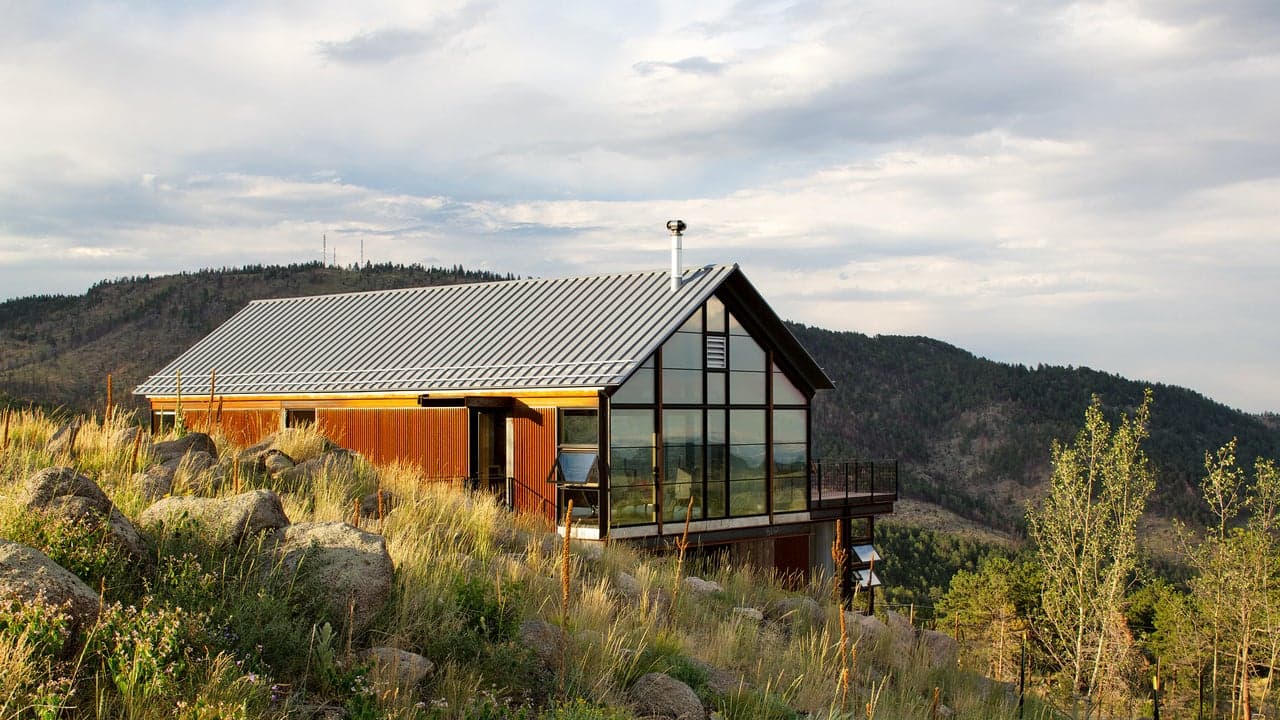
A recurring design philosophy across featured projects emphasizes efficient building forms rooted in vernacular traditions. The barn typology—drawing from regional agricultural heritage—appears repeatedly not as nostalgic reference but as a practical building method that maximizes enclosed square footage while minimizing material waste and labor costs. Ross Primmer of Louisville-based De Leon + Primmer articulates this approach as treating local architectural traditions as functional systems rather than aesthetic clichés, a methodology that enables nonprofits and small communities to access quality design within realistic budgets.
For Dallas-area developers and nonprofit leaders, the book's central thesis offers strategic insight: meaningful architecture emerges from deep engagement with local context, community needs, and financial realities rather than abstract design ambitions. Whether through historic preservation, adaptive conversion, or locally-inspired new construction, architects increasingly demonstrate that impact and excellence are not proportional to project budget. This approach has particular relevance for Dallas's growing focus on downtown revitalization, adaptive reuse of industrial sites, and socially-oriented development projects.