Photo via Dallas Observer
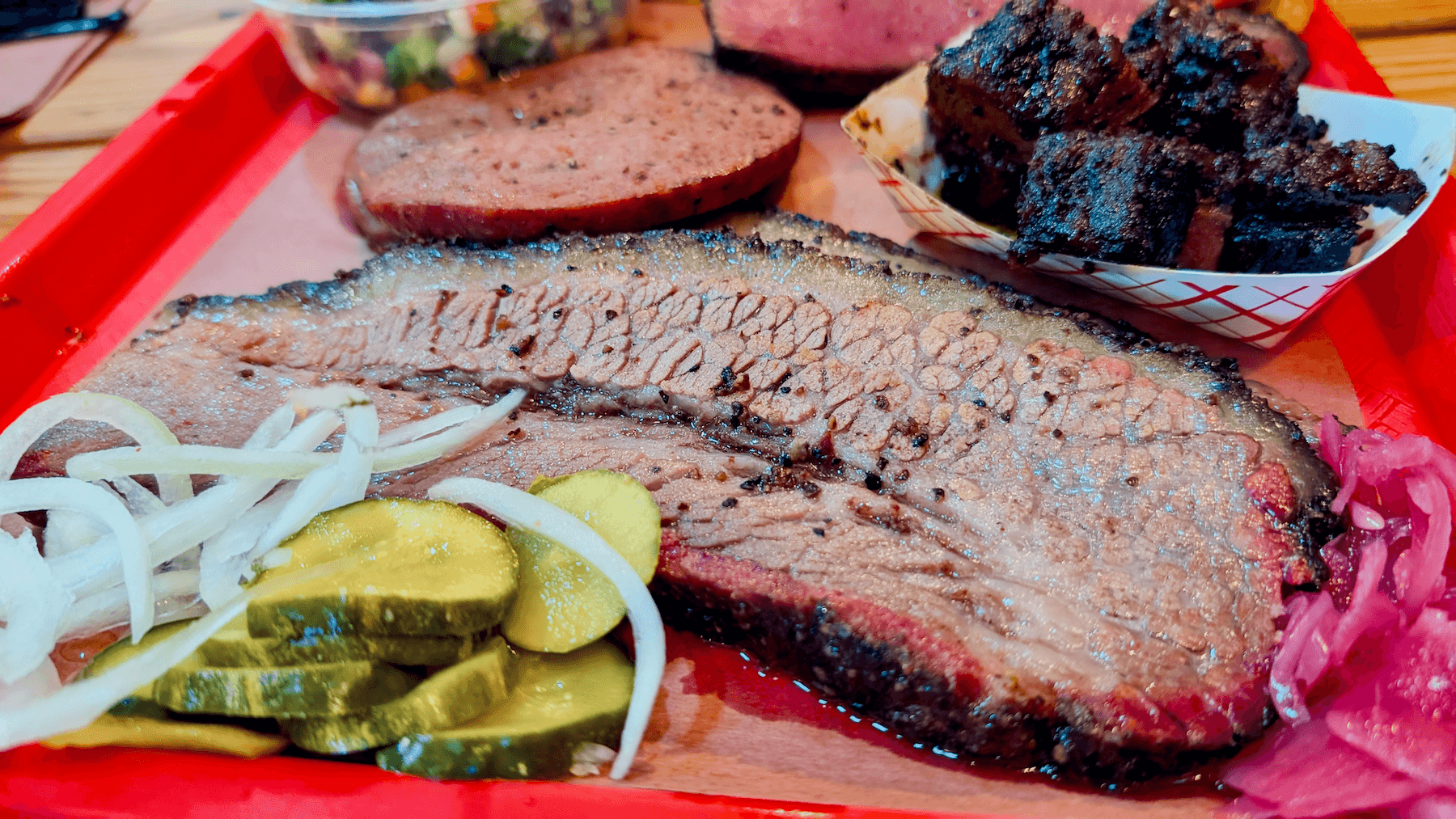
Dallas has cultivated a reputation built on distinctive culinary traditions that extend far beyond casual dining. According to the Dallas Observer, the city's food identity centers on beef, smoke, gravy, and queso—ingredients that reflect both the region's cattle ranching heritage and its cultural crossroads. For business travelers and visitors, understanding these authentic dining experiences matters; they represent the authentic Dallas experience that distinguishes the city from competitors seeking convention business and tourism dollars.
The hospitality and food service sectors play a meaningful role in Dallas' broader economy. When major events like the World Cup draw international visitors, establishments serving authentic regional cuisine capture significant spending. Local restaurants and BBQ joints that emphasize quality and authenticity over tourist-oriented establishments stand to benefit from visitors seeking genuine Dallas experiences, creating a competitive advantage for operators who invest in heritage recipes and local sourcing.
For Dallas business leaders in hospitality, real estate, and tourism development, the city's food culture represents both brand differentiation and economic development potential. Supporting and promoting authentic local restaurants strengthens neighborhood anchors, drives foot traffic to commercial districts, and creates employment across the service sector. This culinary positioning has become an increasingly important component of how cities attract business travel, relocations, and talent retention in competitive metropolitan markets.