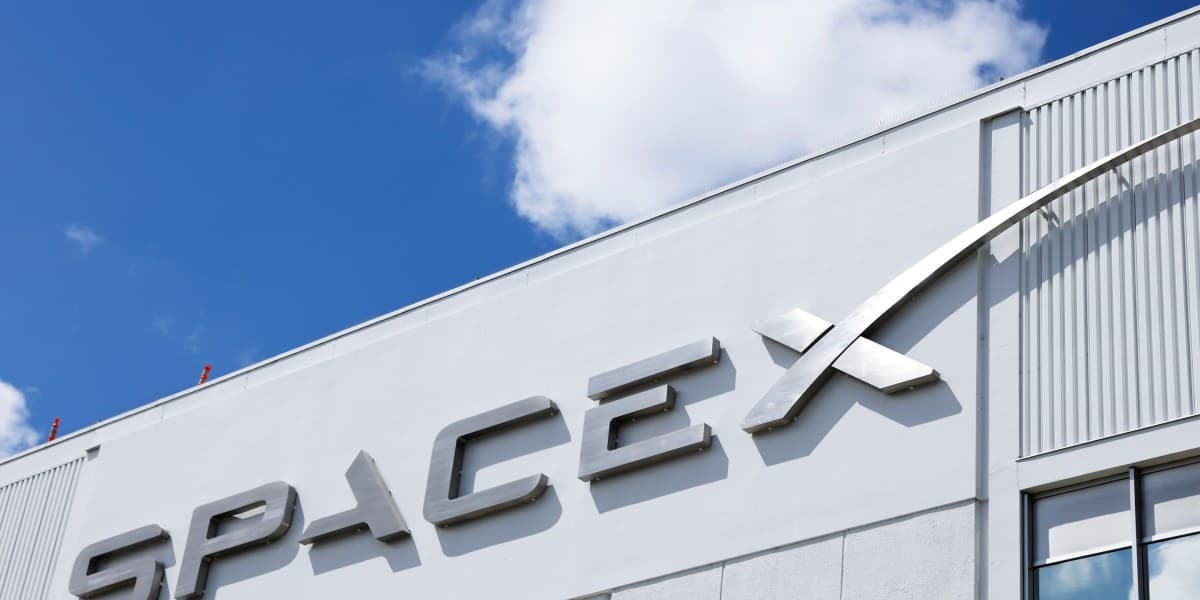
Photo via Fortune
The prospect of merging SpaceX and Tesla has captured the imagination of tech industry observers, but according to Fortune's analysis, the financial mechanics of such a deal would present extraordinary challenges. A union between the two companies would create a combined entity that would dwarf most public corporations by market capitalization, raising fundamental questions about valuation, governance, and regulatory approval that would need to be resolved before such a merger could even be contemplated.
The primary obstacle centers on valuation methodology. SpaceX operates as a private company with limited financial transparency, while Tesla trades publicly with well-documented quarterly results. Determining fair exchange ratios between the two entities would require unprecedented levels of due diligence and would likely face scrutiny from Tesla shareholders accustomed to clear financial benchmarks. Additionally, SpaceX's government contracts and national security implications would introduce regulatory hurdles that most corporate mergers never encounter.
For Dallas-area investors and business leaders, this hypothetical scenario underscores how scale alone doesn't guarantee operational success. The combination would span aerospace, automotive, and energy sectors with fundamentally different business models, customer bases, and capital requirements. Integration challenges of this magnitude have historically derailed even well-planned corporate combinations across simpler industry combinations.
While a SpaceX-Tesla merger remains largely speculative, the analysis reveals important lessons about mega-mergers in today's economy. Industry experts suggest that despite both companies' impressive growth trajectories under Elon Musk's leadership, the financial and operational complexities would likely outweigh any synergistic benefits, making such a combination impractical despite its theoretical appeal.