Photo via Fast Company
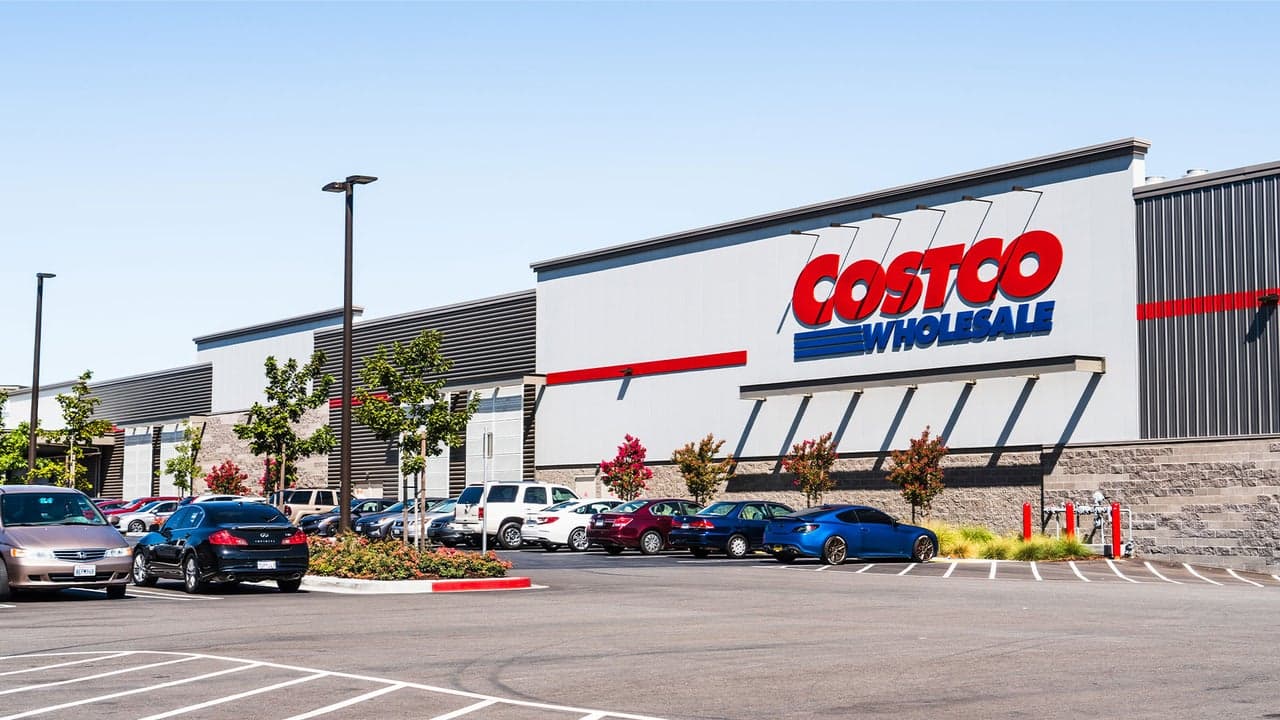
Costco's latest quarterly earnings reveal a striking shift in consumer priorities: members are flocking to the warehouse operator's fuel pumps at record-breaking volumes. According to Fast Company, the retailer's strategy of pricing gasoline 10 to 30 cents below market rates is proving irresistible as Dallas-area drivers grapple with elevated gas costs. The surge has been so significant that Costco has required additional fuel deliveries to maintain adequate supply at its pumps, signaling genuine operational strain from unexpected demand.
CEO Ron Vachris explained that the fuel discount is driving two distinct behaviors: existing members are visiting gas stations at Costco for the first time, while the attractive pricing is likely luring new members to purchase the $65 annual membership. This creates a powerful flywheel effect for the retailer. Vachris noted that customers who buy fuel at Costco tend to spend substantially more on warehouse shopping, from rotisserie chickens to household essentials, converting one transaction into multiple revenue streams.
The Dallas-Fort Worth region, with its sprawling suburban footprint and car-dependent infrastructure, represents a prime market for this fuel-focused strategy. As regional transportation costs remain a concern for both households and businesses managing logistics, Costco's value proposition becomes increasingly compelling. The company's ability to absorb margin pressure on fuel while driving incremental warehouse sales demonstrates sophisticated retail economics that competitors struggle to match.
Beyond gasoline, Costco's Q3 results show broad strength: net sales grew 11.6% year-over-year, membership expanded 4.1%, and digital traffic jumped 37%. The retailer is also rolling out checkout innovations, including pre-scanning technology in high-traffic locations, and expanding services in pharmacy, jewelry, and home furnishings. For North Texas businesses and consumers watching retail trends, Costco's performance underscores how value-focused retailers are capturing market share during periods of economic uncertainty.