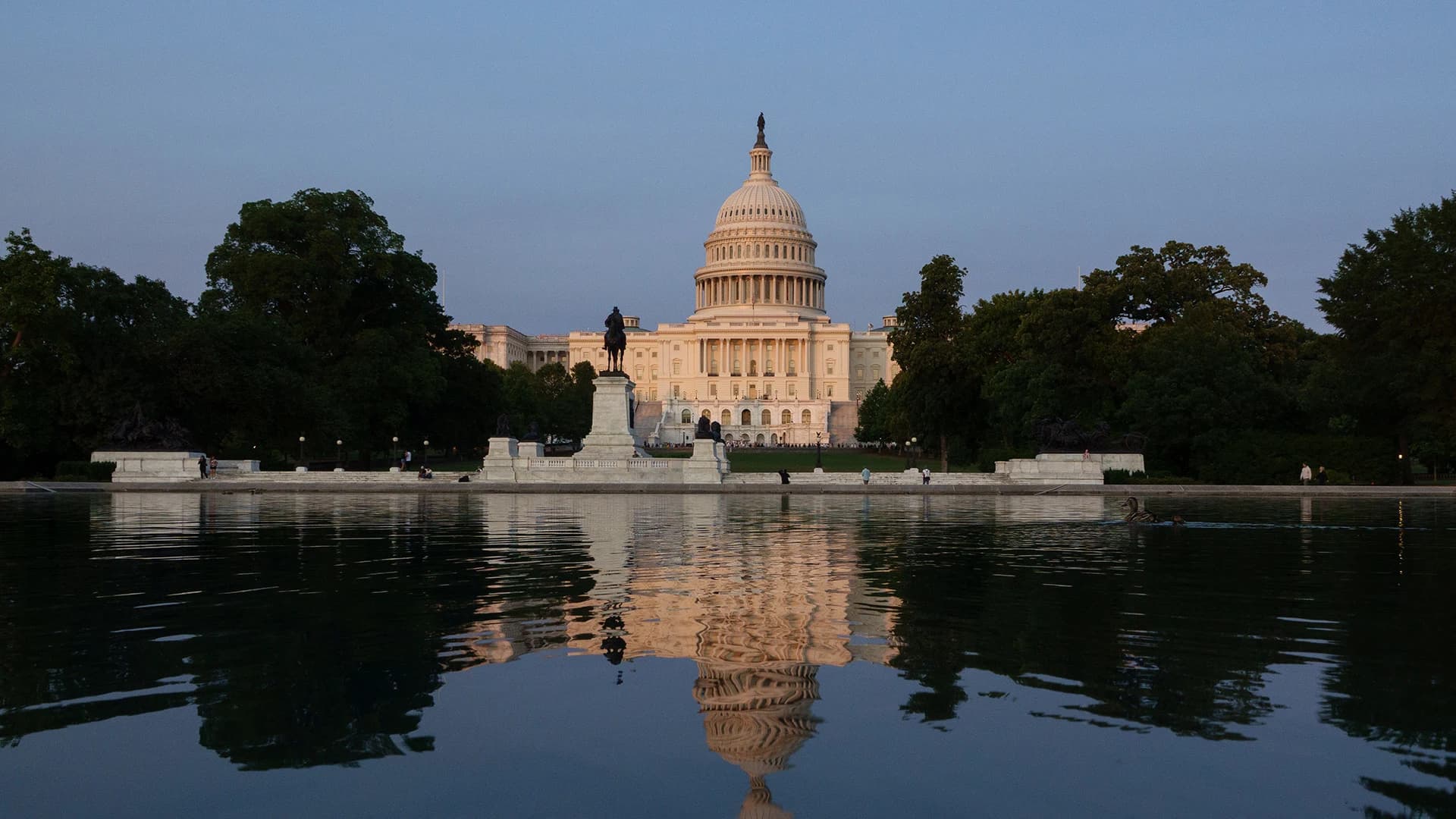
Photo via Inc.
A troubling pattern has caught the attention of Capitol Hill: multiple U.S. scientists working in critical nuclear and aerospace fields have gone missing or died under unclear circumstances, according to reporting from Inc. The investigation underscores growing concerns about potential threats to America's technological and defense infrastructure at a time when competition with foreign powers has intensified.
For Dallas-area technology and defense contractors—a region home to numerous aerospace and energy sector employers—such developments carry particular weight. The North Texas region's concentration of aerospace, defense, and energy companies means that national security vulnerabilities in these fields directly impact local economic stability and talent recruitment in the region.
The congressional inquiry reflects broader anxieties about the safety and security of scientists engaged in sensitive research. Questions have emerged about whether these incidents represent coincidence, criminal activity, or something more deliberate, prompting lawmakers to demand transparency and accountability from relevant agencies.
As investigations proceed, industry leaders and policymakers are likely to examine workplace security protocols, counterintelligence measures, and protections for sensitive research personnel. For Dallas-based companies operating in aerospace, nuclear energy, and advanced technology, these developments may influence hiring practices, facility security investments, and compliance requirements moving forward.