Photo via Entrepreneur
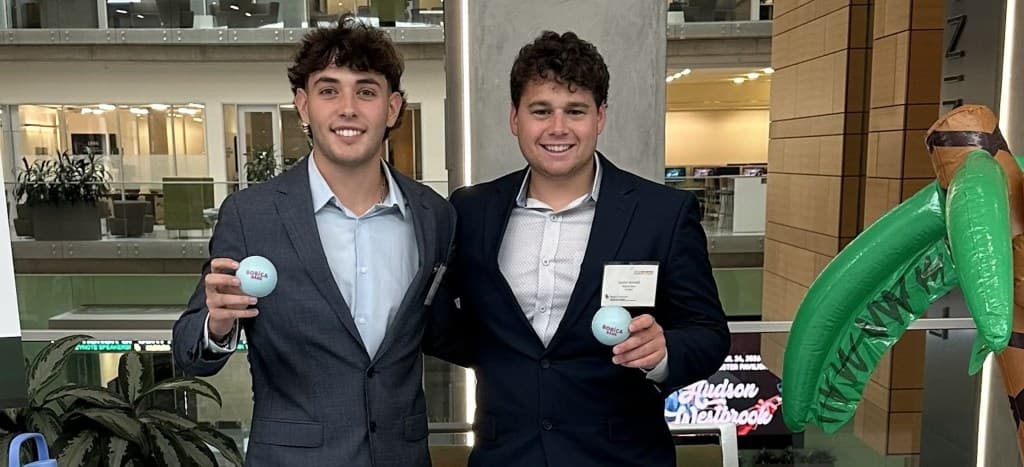
Harrison Nastasi and Justin Iannelli exemplify a growing trend among college-age entrepreneurs who are launching revenue-generating ventures while pursuing their degrees. According to Entrepreneur magazine, the pair achieved $10,000 in sales within their first 30 days by identifying an opportunity in the competitive snack category. Their experience demonstrates that market timing, product-market fit, and execution can matter more than age or traditional business credentials.
The duo's path to success wasn't straightforward. Before landing on their snack innovation idea, they explored several concepts they now acknowledge were poorly conceived. This trial-and-error approach is typical among first-time founders and underscores the importance of rapid iteration and learning from failure. Their willingness to abandon weak ideas in favor of a stronger opportunity shows business maturity beyond typical college-age entrepreneurs.
What sets their operation apart is their commitment to balancing academic responsibilities with entrepreneurial ambitions. Nastasi reportedly carries his laptop everywhere, maintaining the flexibility required to manage business operations while attending classes. This portable work style has become increasingly viable for modern entrepreneurs who can manage operations through cloud-based tools and remote collaboration—a model that resonates with Dallas's growing tech-forward startup ecosystem.
For aspiring founders in the Dallas area, their story offers practical insight: success doesn't require a massive initial investment, a perfect plan, or stepping away from education. Instead, it requires identifying genuine market gaps, testing assumptions quickly, and maintaining enough operational agility to capitalize on early traction. As the region continues to develop its entrepreneurial infrastructure, examples like this motivate the next generation of Texas innovators.