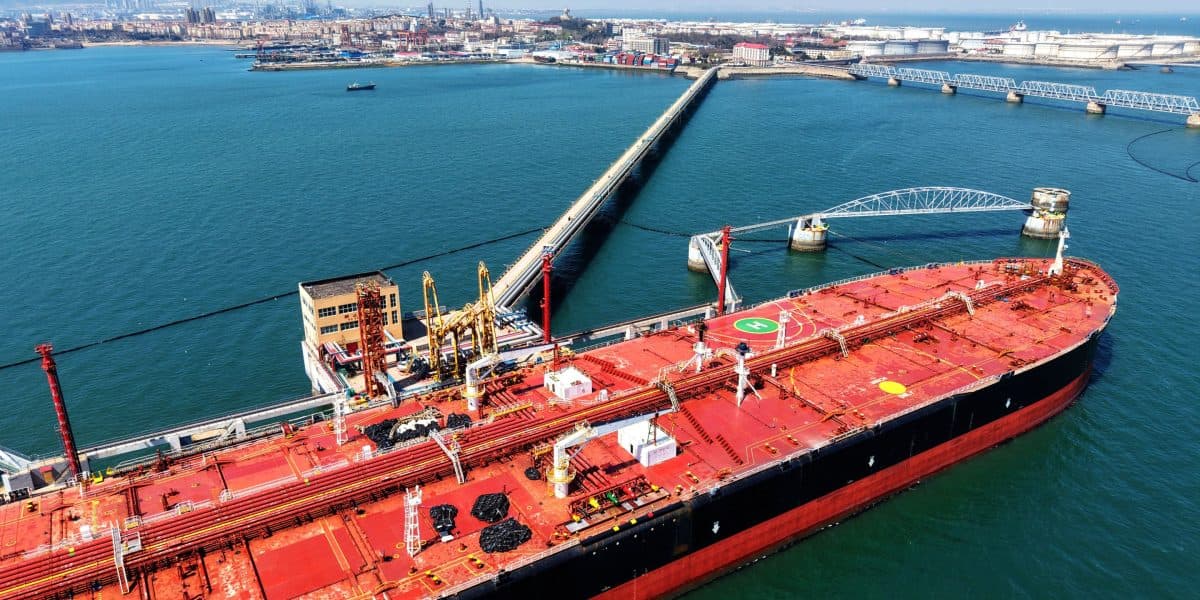
Photo via Fortune
According to Fortune, Wall Street analysts have identified an unexpected stabilizer in volatile global oil markets: China's role as a flexible consumer of crude. Rather than following predicted demand patterns, the world's second-largest economy has acted as a swing buyer, adjusting its oil purchases in ways that have prevented some of the severe supply disruptions many feared could occur.
For Dallas-area energy companies and refineries, this development carries significant implications. The petrochemical and refining sectors that anchor North Texas's industrial economy depend heavily on predictable crude prices and global demand signals. China's flexible consumption patterns have helped maintain relatively stable crude valuations, reducing uncertainty that could have pressured operations and investment decisions.
The reprieve from predicted 'doomsday scenarios'—including potential shortages and price spikes—suggests that global energy markets possess more resilience than some analysts anticipated. This stability benefits not only energy producers but also the broader Texas economy, which remains sensitive to crude price movements and international trade dynamics.
As markets continue monitoring China's economic trajectory and energy consumption patterns, Dallas energy sector leaders are watching closely. Understanding how China's demand influences crude supplies and pricing will remain critical for strategic planning among the region's oil and gas companies, refiners, and energy-dependent manufacturers.