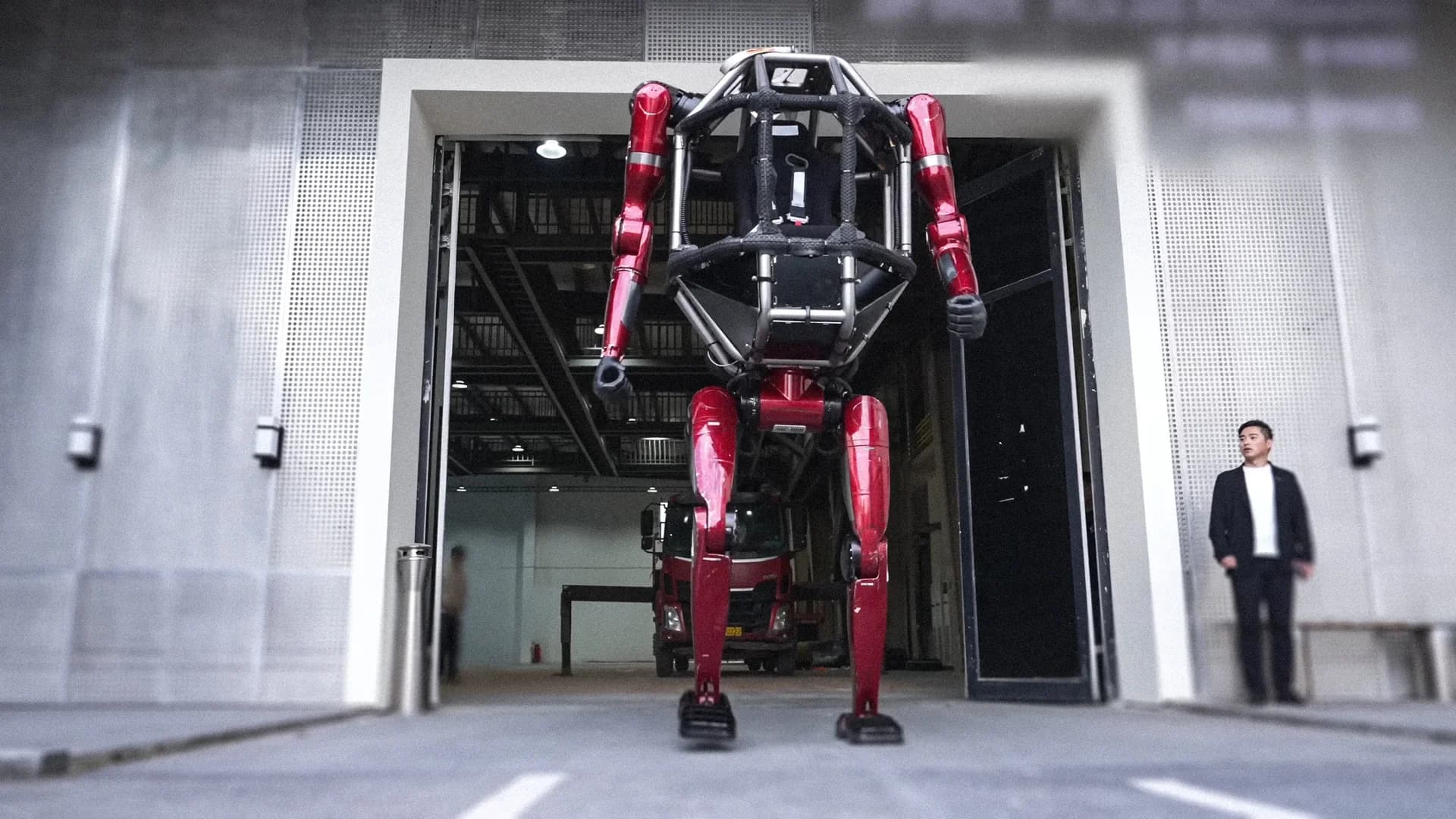
Photo via Inc.
According to reporting in Inc., China has unveiled a transforming humanoid robot capable of performing heavy industrial tasks with remarkable precision and power. The demonstration of the machine's destructive capability—smashing through a wall in a single strike—signals meaningful progress in physical artificial intelligence, a field that could reshape how factories and construction sites operate worldwide.
The broader significance extends beyond the viral nature of the demonstration. This development represents part of a coordinated effort by Chinese technology firms and researchers to establish dominance in the physical AI sector, a competition that mirrors earlier races in software AI and robotics. Dallas-area manufacturers and logistics companies should pay attention, as advances in humanoid robots could fundamentally alter labor dynamics and operational efficiency across industries reliant on repetitive or dangerous physical tasks.
For Texas businesses, particularly those in manufacturing, construction, and warehouse operations, the implications are twofold. Competitive pressures may accelerate adoption timelines for automation technologies, while also creating new opportunities for companies that can integrate or support these systems. Dallas has a growing tech ecosystem positioned to develop complementary software, safety systems, and integration solutions for robotic automation.
The race for physical AI leadership reflects a broader geopolitical competition over which nations will control cutting-edge automation technology. As China invests heavily in robotics development, American and Dallas-based companies face increased pressure to innovate or risk falling behind in technologies that could define manufacturing competitiveness for the next decade.