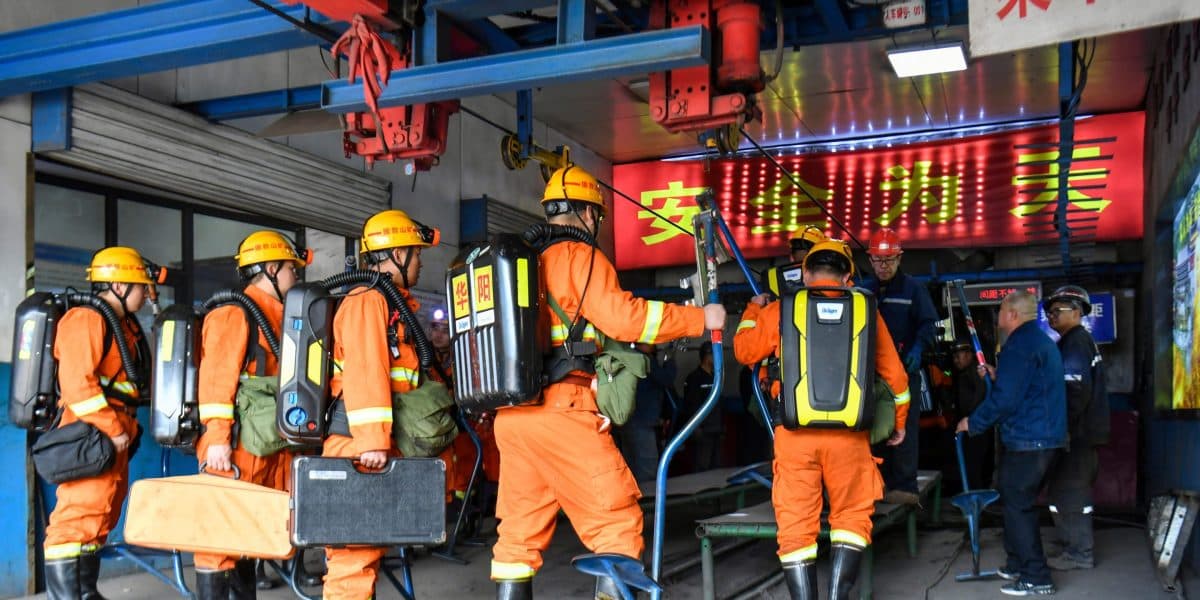
Photo via Fortune
China's coal sector faced renewed scrutiny this week following a catastrophic explosion at the Liushenyu mine in Shanxi province that claimed 82 lives, marking the nation's deadliest mining incident in recent years. According to Fortune, the disaster occurred at a facility that regulators had already identified as problematic, raising serious questions about enforcement mechanisms and accountability within the industry.
The National Mine Safety Administration had designated the Liushenyu operation as high-risk in 2024 specifically due to elevated gas content within the mine—a known precursor to explosive incidents in underground coal operations. Despite this official warning, the facility continued operations under what appears to be insufficient safety protocols or monitoring, illustrating a critical gap between regulatory designation and enforcement action.
For Dallas-area energy companies and investors with exposure to international coal markets or mining operations, this incident serves as a cautionary tale about operational risk management. The disaster underscores the importance of rigorous safety standards and transparent reporting mechanisms, particularly for firms operating in or trading with regions where regulatory oversight may be inconsistent or inadequately resourced.
The incident is likely to intensify global discussions around mine safety standards, corporate accountability, and the role of government oversight in high-risk industries. Energy sector leaders should consider how comparable safeguards are implemented within their own operations and supply chains, and whether current risk assessment frameworks adequately address hazards identified by regulatory bodies before they escalate into catastrophic events.