Photo via Inc.
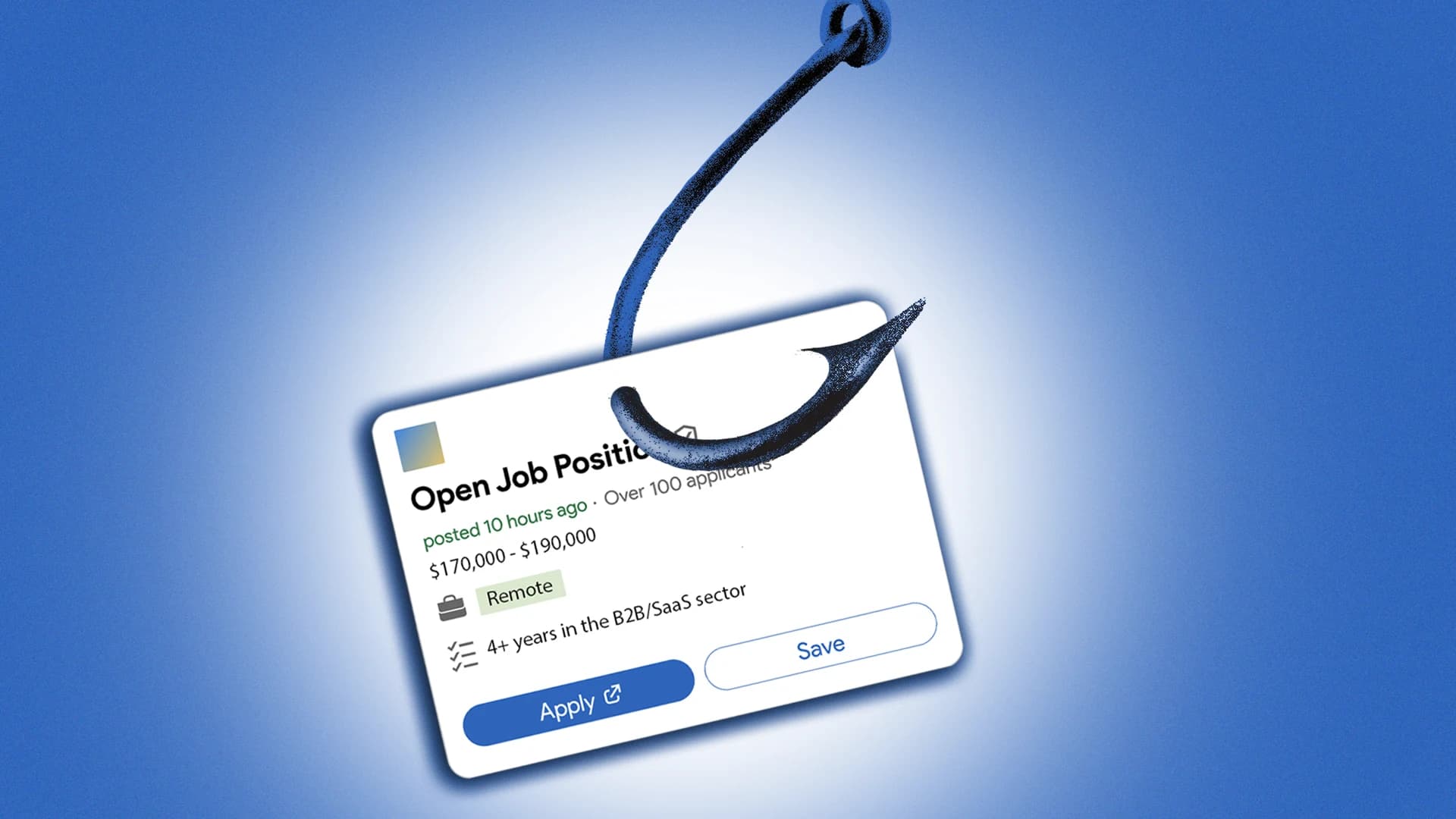
According to recent research cited by Inc. magazine, a significant majority of workers—roughly 80 percent—report experiencing what's now called 'career catfishing,' a phenomenon where employers misrepresent job roles, remote work arrangements, or responsibilities during the hiring process. This widespread practice mirrors the classic bait-and-switch dynamic, creating a trust deficit that extends far beyond the initial job offer and into long-term employee satisfaction and retention.
For Dallas-area businesses struggling with talent acquisition in a competitive regional market, the financial implications are substantial. When employees discover that their actual role differs significantly from the posted position—whether through fake remote work claims, inflated titles, or understated responsibilities—the resulting turnover costs employers an average of $50,000 per displaced worker. This figure accounts for recruitment, onboarding, lost productivity, and the expense of finding a replacement.
The retention crisis compounds recruitment challenges that Dallas companies already face. In a region with growing competition from tech startups and established corporations for skilled talent, HR departments cannot afford the compounding costs of misaligned hiring practices. Employee departures triggered by unmet job expectations damage institutional knowledge and team morale, requiring additional investment in training and organizational stability.
Dallas business leaders should examine their hiring practices to ensure transparency in job descriptions, role expectations, and work arrangements. Building recruitment credibility not only improves retention metrics but also strengthens an employer's reputation within the competitive Dallas talent market, ultimately reducing the hidden costs of career mismatches and positioning organizations for sustainable growth.