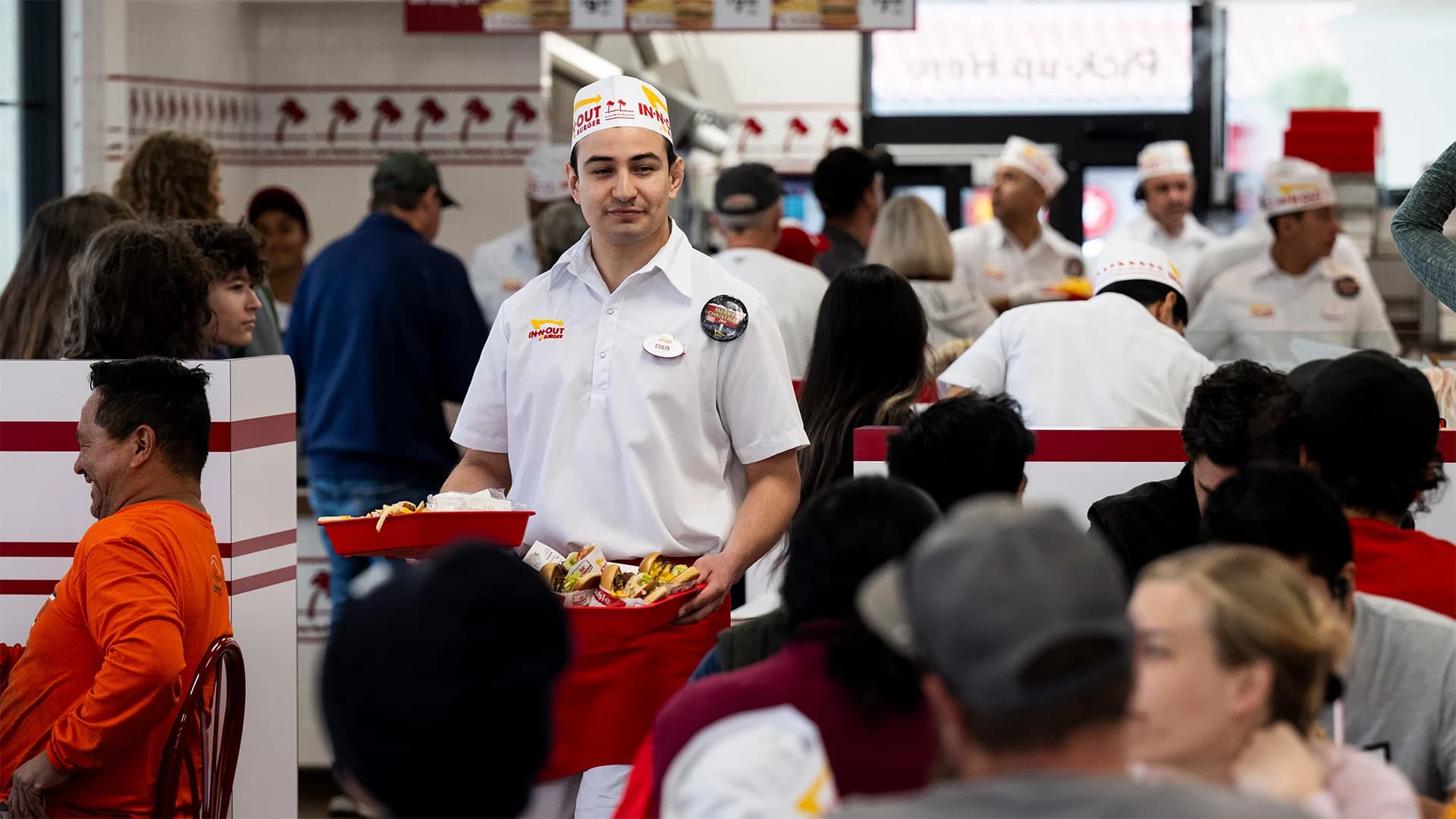
Photo via Inc.
California's experiment with higher fast-food wages is offering Dallas business leaders a preview of how labor cost increases reshape restaurant operations. When employers face mandated wage hikes, they typically respond by adjusting staffing levels rather than absorbing costs through reduced margins, according to reporting from Inc. For Dallas restaurateurs already navigating competitive margins and labor shortages, the California case study underscores the difficult choices ahead.
The staffing adjustments in California reveal a consistent pattern: increased labor costs prompt employers to reduce headcount, cut hours, or accelerate automation investments. This dynamic mirrors challenges facing Dallas-area quick-service restaurants, which operate on thin profit margins and depend heavily on hourly workers. Understanding how larger chains responded to wage mandates can help local operators anticipate pressure points and plan accordingly.
Dallas companies in the restaurant and retail sectors should closely monitor how California's policy plays out, particularly as labor organizing efforts and minimum wage discussions gain traction nationwide. The Texas market's lower cost of living has historically attracted businesses seeking to escape high-wage states, but these advantages could narrow if federal or state wage standards rise. Early visibility into staffing trade-offs gives Dallas employers time to evaluate automation, pricing strategies, and scheduling optimization.
While Texas remains a lower-cost labor market, the California experience demonstrates that wage pressures are systemic in the broader U.S. economy. Dallas business leaders should use these lessons to engage proactively with workforce planning, rather than reacting to sudden mandates. Companies that prepare now—whether through technology adoption or business model adjustments—will have greater flexibility if labor cost pressures reach Texas.