Photo via Fortune
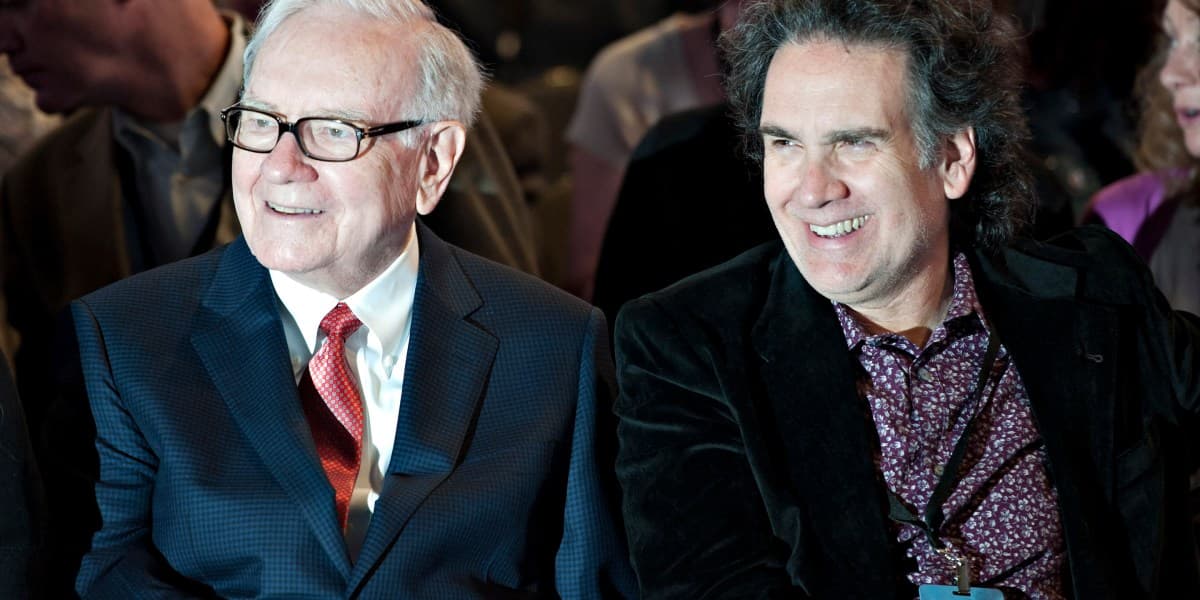
Warren Buffett's philosophy on parenting stands in stark contrast to the typical billionaire playbook. According to Fortune, Peter Buffett didn't discover his father's immense wealth until his twenties, when he happened upon a list of America's richest individuals. The revelation proved almost comical to the younger Buffett, who had grown up largely unaware of his family's extraordinary financial position.
Peter Buffett's experience reflects a deliberate parenting strategy that many Dallas-area business leaders might find instructive. By insulating his children from the trappings of extreme wealth during their formative years, Warren Buffett created an environment where his son developed values independent of money. This approach contrasts sharply with the conspicuous consumption often associated with ultra-high-net-worth families, offering a counterintuitive model for preserving work ethic across generations.
The impact of this upbringing extended beyond Peter himself. According to the Fortune report, his friends were equally surprised to learn about his father's billionaire status, suggesting that the Buffett household maintained remarkable discretion about its financial standing. In Dallas's competitive business community, where status signaling is common among executives, this restraint stands out as unconventional.
For North Texas entrepreneurs and executives building family enterprises, Peter Buffett's story raises important questions about wealth transmission and values. How do successful business leaders ensure their children understand both opportunity and responsibility? Buffett's example suggests that shielding heirs from premature entitlement, while fostering independence and purpose, may be as valuable as any financial legacy.