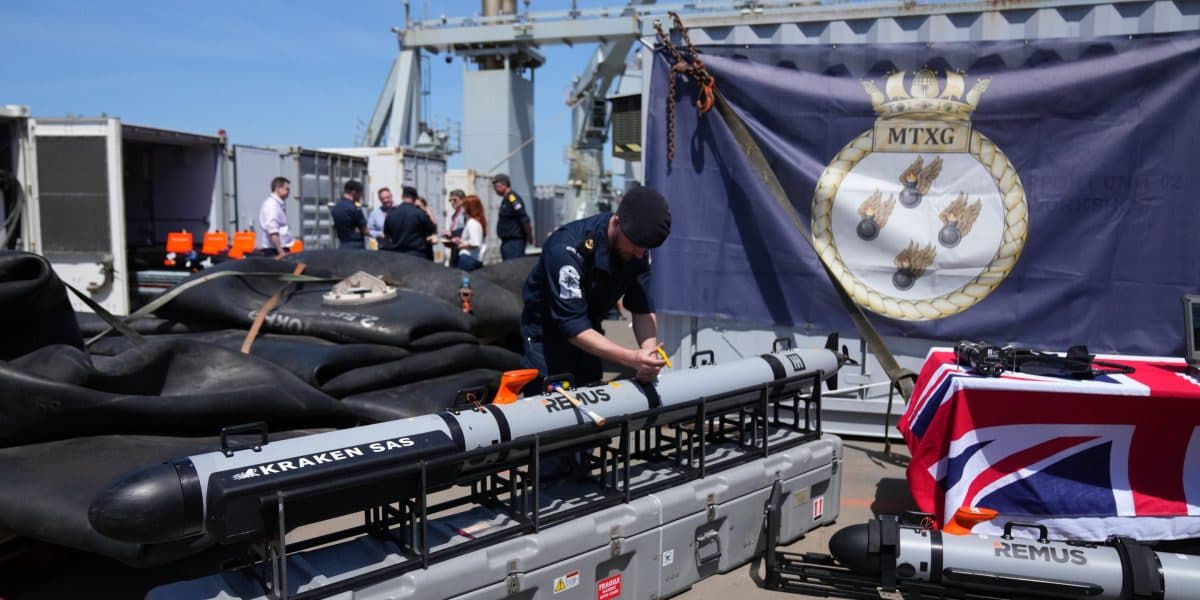
Photo via Fortune
According to Fortune, Britain's Royal Navy is positioning assets to conduct mine-clearing operations in the strategically critical Strait of Hormuz, contingent upon a U.S.-Iran peace agreement. The RFA Lyme Bay, a naval auxiliary vessel, is preparing to depart Gibraltar and link up with the HMS Dragon destroyer and allied support ships before transiting the Suez Canal toward the Persian Gulf.
The Strait of Hormuz represents one of the world's most vital maritime chokepoints, with roughly one-third of all seaborne oil trading through its waters annually. Any disruption to shipping in this region reverberates through global energy markets, directly impacting crude prices and supply stability that Texas refineries and energy producers depend upon for operational planning and profitability.
For Dallas-area energy companies and investors, the prospect of coordinated international mine-clearing operations signals potential de-escalation in Middle Eastern tensions and improved confidence in regional stability. Such developments could moderate oil price volatility and create more predictable conditions for long-term energy sector investments and infrastructure decisions across North Texas.
The timing of Britain's preparations underscores the conditional nature of current geopolitical progress. Any meaningful resolution between the U.S. and Iran would likely require formal diplomatic agreements before multinational military operations commence, making the coming months critical for observing whether sustained peace negotiations materialize and what that means for global energy security.