Photo via Inc.
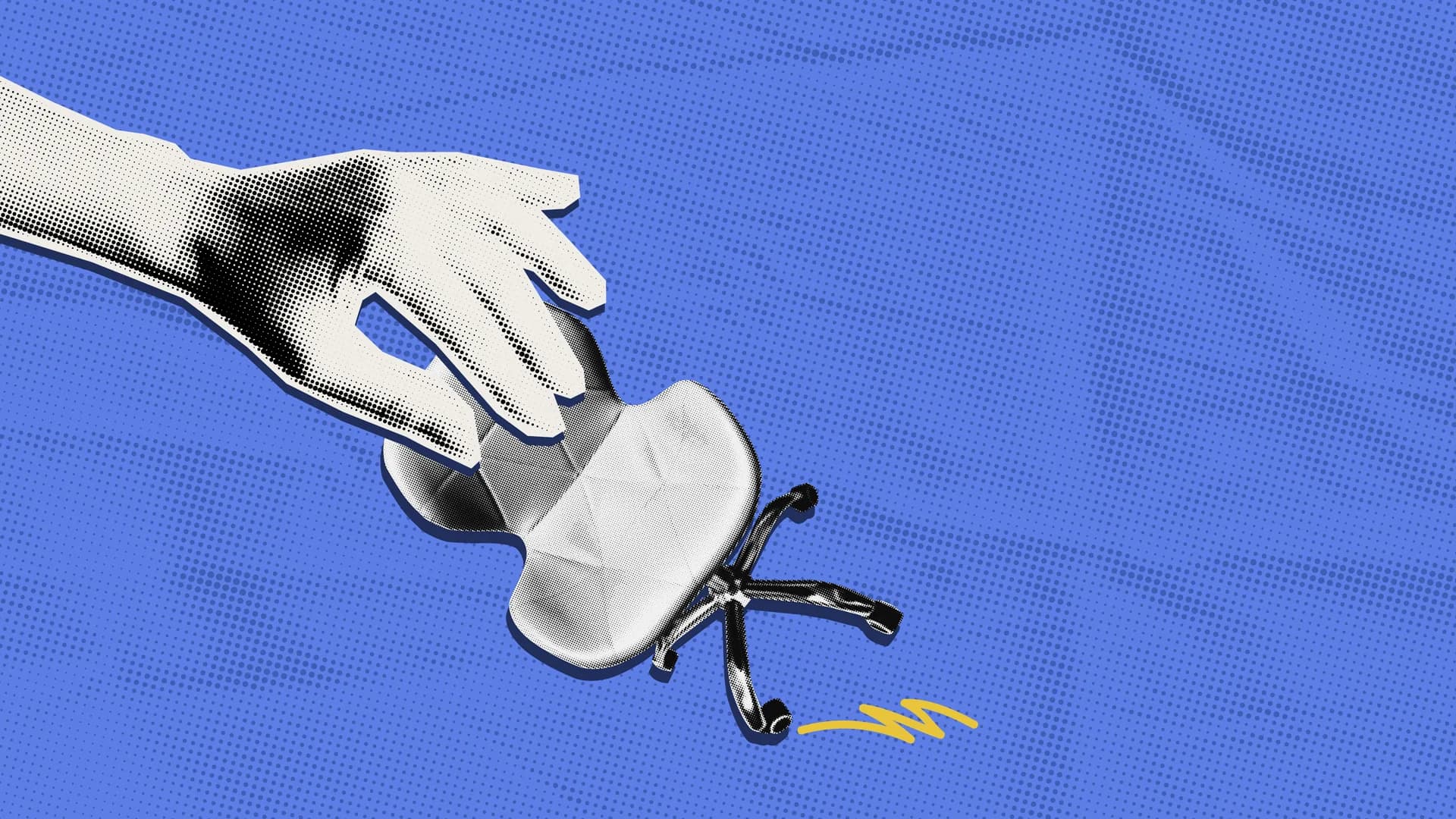
Company culture often deteriorates quietly, long before leadership notices the damage. According to Inc., the most telling indicators of cultural decline emerge not in formal reviews or policy changes, but in the everyday moments that define how employees interact, communicate, and approach their work. For Dallas-area business owners and managers, recognizing these subtle shifts early can prevent larger organizational problems down the line.
Many executives mistakenly believe that crafting compelling mission statements and values documents will establish strong culture. However, culture is actually forged through consistent daily behaviors, informal conversations, and how teams respond to challenges. When leaders focus solely on aspirational messaging while ignoring what happens in cubicles, conference rooms, and break rooms, employees quickly sense the disconnect between stated values and lived reality.
Common warning signs include decreased informal collaboration, withdrawal from voluntary activities, reduced laughter in the office, and employees becoming more guarded in conversations. In Dallas's competitive business landscape—from tech firms in Richardson to energy companies downtown—these shifts can signal that top talent may be preparing to look elsewhere. Managers should pay attention to who stops participating in optional meetings or social events, as this often precedes resignations.
Building resilient company culture requires continuous attention and intentional leadership behavior. Rather than relying on annual culture initiatives, Dallas leaders should create space for regular feedback, model the behaviors they expect, and address cultural drift immediately when spotted. The investment in maintaining healthy everyday interactions pays dividends in retention, productivity, and the organization's ability to weather business challenges.