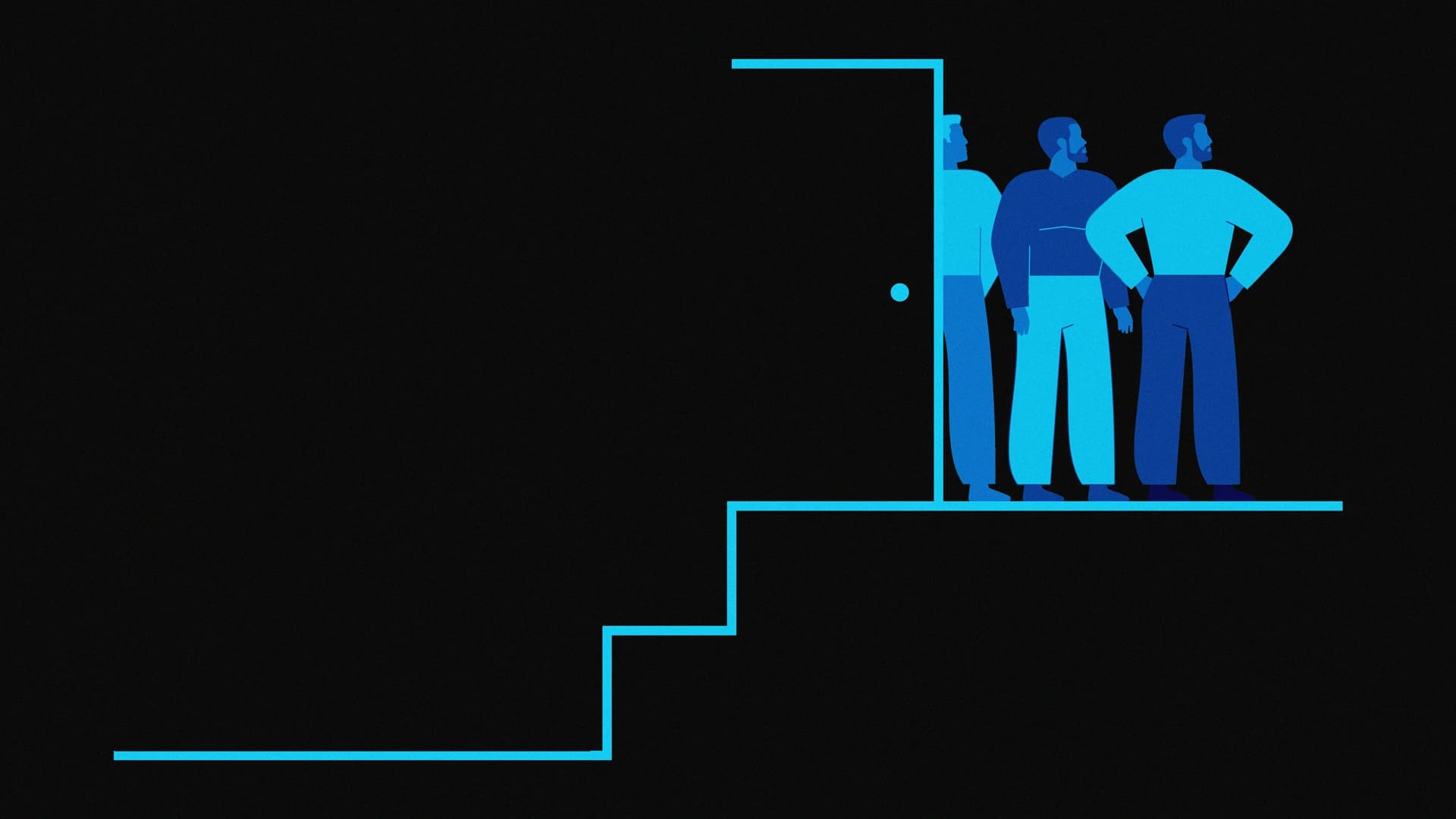
Photo via Inc.
Turnover in the Dallas job market often appears sudden, but the reality is more nuanced. According to Inc., employee departures are rarely impulsive decisions—they result from accumulating frustrations that compound over weeks or months. For Dallas business leaders managing competitive talent markets, understanding this distinction is critical to retention strategies.
The hidden culprit behind unexpected resignations frequently stems from what experts call 'emotional load'—the psychological burden of navigating workplace dynamics, unclear expectations, or misaligned values. This differs markedly from workload itself. An employee may handle substantial responsibilities effectively, yet leave because they feel unsupported, undervalued, or disconnected from leadership. In Dallas's fast-growing sectors like technology and professional services, where talent competition is fierce, this distinction can mean the difference between retaining and replacing key staff.
Dallas-area organizations should conduct regular pulse checks on workplace culture, focusing on intangible factors: psychological safety, manager-employee relationships, recognition practices, and alignment between company values and day-to-day operations. Addressing these elements before employees reach their breaking point preserves institutional knowledge, reduces costly recruitment cycles, and strengthens team cohesion.
Leaders who proactively manage emotional well-being—not just task completion—build more resilient organizations. For Dallas companies navigating post-pandemic workplace dynamics and remote-work arrangements, this investment in culture and employee experience is no longer optional; it's fundamental to competitive advantage in a market where skilled workers have options.