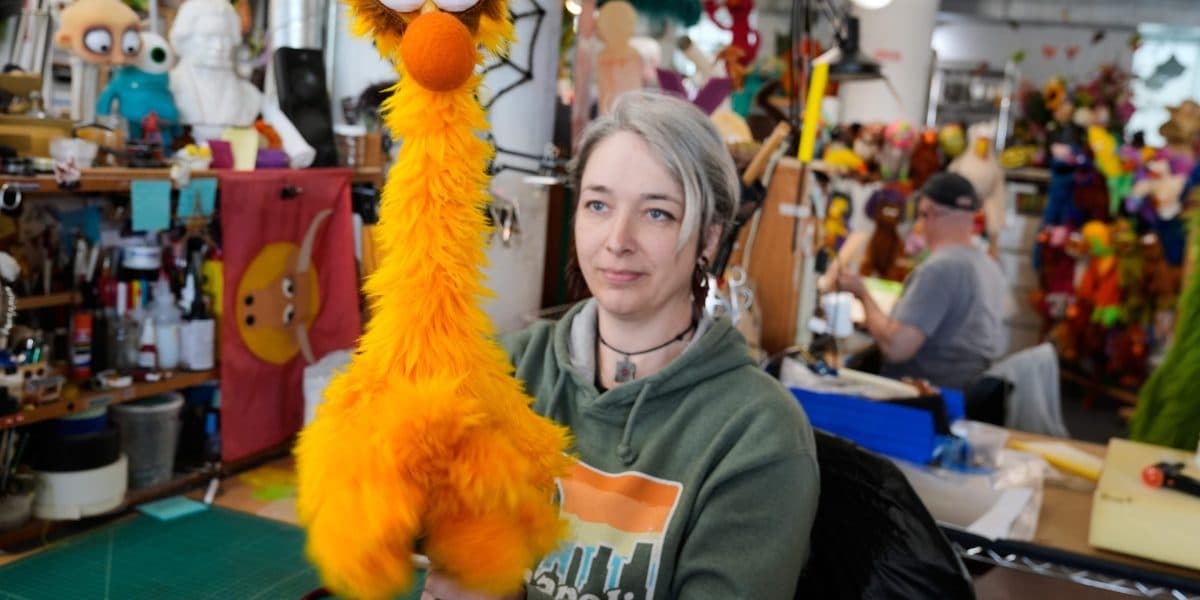
Photo via Fortune
For six decades, Jim Henson's Creature Shop operated as one of entertainment's best-kept secrets, with few outsiders ever glimpsing the workshop where some of television and film's most recognizable characters came to life. According to Fortune, the legendary facility has maintained deliberate anonymity since its founding in the 1960s, preserving the mystery and magic behind the Muppets and other creature designs. Now, the organization is selectively opening its doors to the public, marking a significant shift in its traditionally private operations.
The Creature Shop's decision to welcome visitors represents a calculated business strategy, offering Saturday-only public tours with controlled access to protect proprietary techniques and intellectual property. By limiting photography to the first reception area and restricting visits to designated days, the facility maintains operational security while capitalizing on growing consumer interest in behind-the-scenes entertainment experiences. This approach balances transparency with the need to safeguard creative processes and ongoing projects.
The announcement highlights broader trends in the entertainment and creative industries, where companies increasingly recognize the commercial value of experiential tourism and brand engagement. Similar to how theme parks and production studios have monetized fan interest, the Creature Shop is leveraging decades of cultural relevance and nostalgic appeal. The move also underscores how legacy creative businesses are adapting their models to remain relevant in an era of direct consumer interaction and social media influence.
For business professionals in Dallas and beyond, the Creature Shop's evolution offers lessons in protecting intellectual property while building brand loyalty and exploring new revenue streams. The facility's controlled-access model demonstrates how traditional manufacturing and creative operations can successfully transition into hybrid experiences without compromising core operations or proprietary methods. As entertainment and tourism sectors continue intersecting, similar hybrid business models may become increasingly common across creative industries.