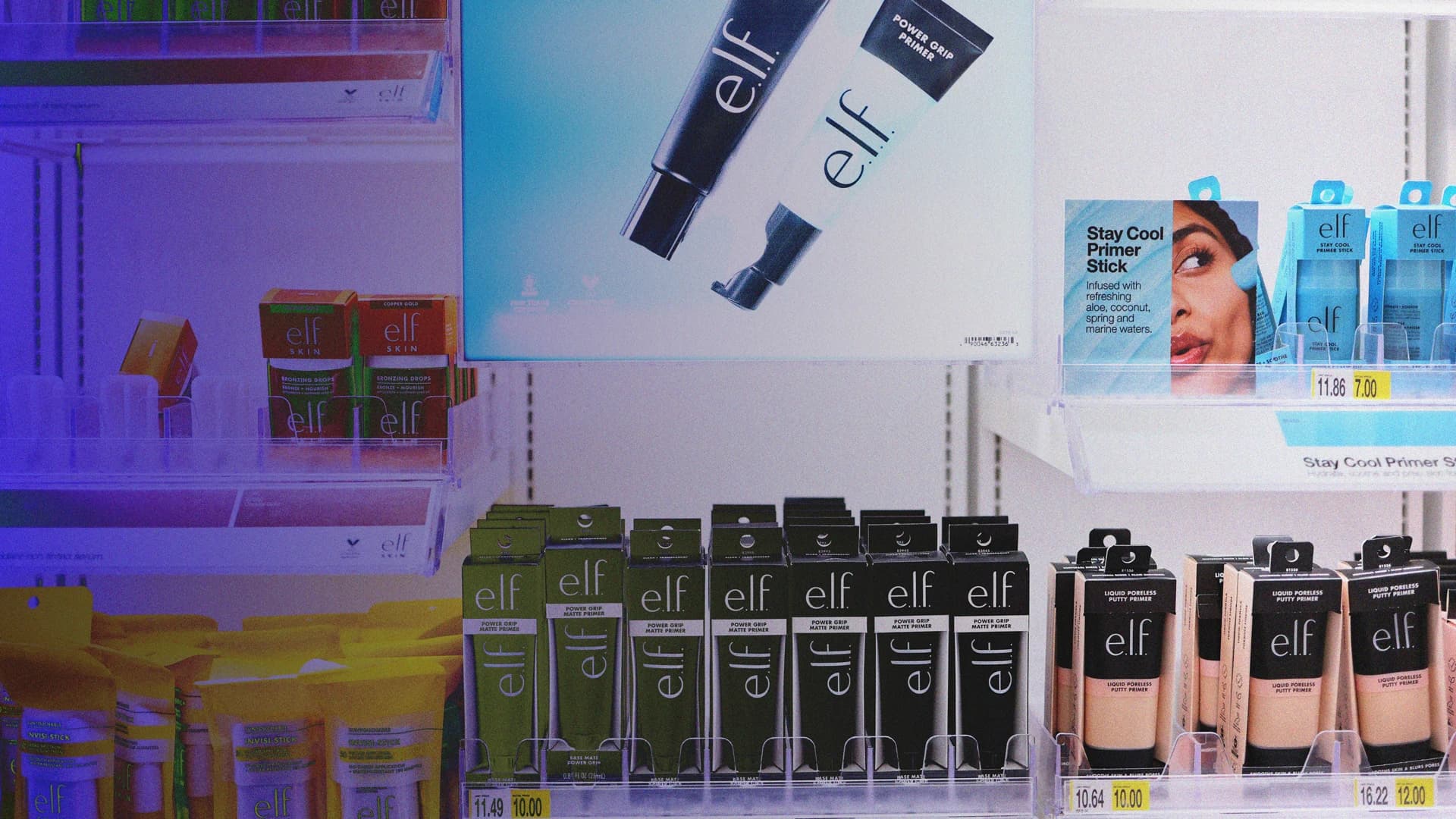
Photo via Inc.
E.l.f. Beauty's recent experience underscores a critical challenge facing retailers across the Dallas region and beyond: the difficulty of passing increased costs directly to consumers. According to Inc., the beauty brand implemented price increases last year as a straightforward response to tariff-related expenses, but the strategy proved more complex in practice than anticipated.
The company's decision to raise prices by approximately $1 per item was designed to maintain margins amid rising import costs. However, the subsequent decline in sales volume suggests that consumers proved more price-sensitive than the company's financial models predicted. This outcome reflects broader market dynamics affecting Dallas-area retailers, particularly those in discretionary consumer goods categories where shoppers have abundant alternatives.
In response to the sales downturn, E.l.f. Beauty is now reconsidering its pricing strategy, signaling a potential rollback or adjustment to the increases. The reversal demonstrates how quickly market feedback can force companies to recalibrate their approach, even when initial decisions were made with sound business reasoning. For Dallas business leaders, the case illustrates the importance of real-time sales monitoring and pricing flexibility.
The situation carries implications for how regional retailers and CPG companies should approach cost pressures going forward. Rather than implementing broad-based price increases, successful companies may need to explore alternative strategies—such as targeted promotions, cost optimization in supply chains, or selective product adjustments—to navigate inflationary environments while maintaining customer loyalty and sales velocity.