Photo via Inc.
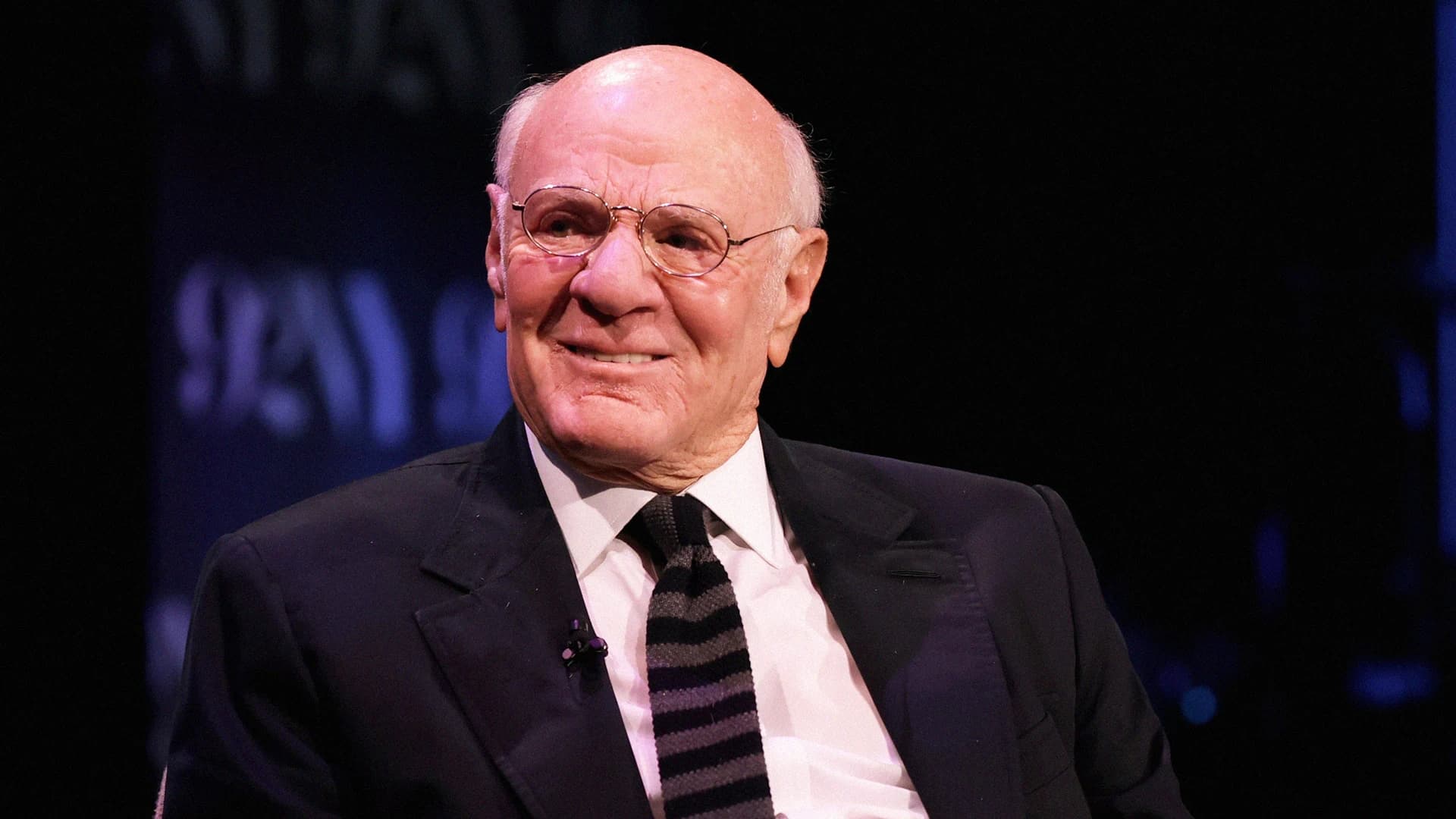
Barry Diller, the veteran media executive, has made waves by announcing that People Inc. has submitted a non-binding proposal to acquire all outstanding shares of MGM Resorts. The move signals a major shift in how established players view asset acquisition in an increasingly tech-driven business landscape. According to Inc., Diller's interest in MGM centers on what he views as irreplaceable human and operational assets that artificial intelligence cannot easily duplicate.
The hospitality and gaming industry continues to evolve rapidly, with major operators constantly reassessing their competitive advantages. Diller's proposal underscores a key insight: while automation and AI reshape many sectors, the guest experience, brand loyalty, and complex operational networks that define premium hospitality remain distinctly human-dependent. This strategic positioning reflects broader recognition among established conglomerates that certain assets retain genuine scarcity value.
For Dallas-area business leaders and investors, Diller's move carries instructive implications. The region's growing hospitality and entertainment sectors—from hotel development to corporate event venues—similarly depend on distinctive operational expertise and relationship capital. The MGM bid demonstrates how experienced acquirers are valuing these intangible assets, even as technology reshapes other corners of the economy.
While the proposal remains non-binding, the announcement reflects Diller's confidence in MGM's long-term value proposition. Whether the deal advances or not, the rationale behind it signals how major investors continue to identify defensible advantages in hospitality management, customer experience, and established market position—assets that transcend technological disruption.