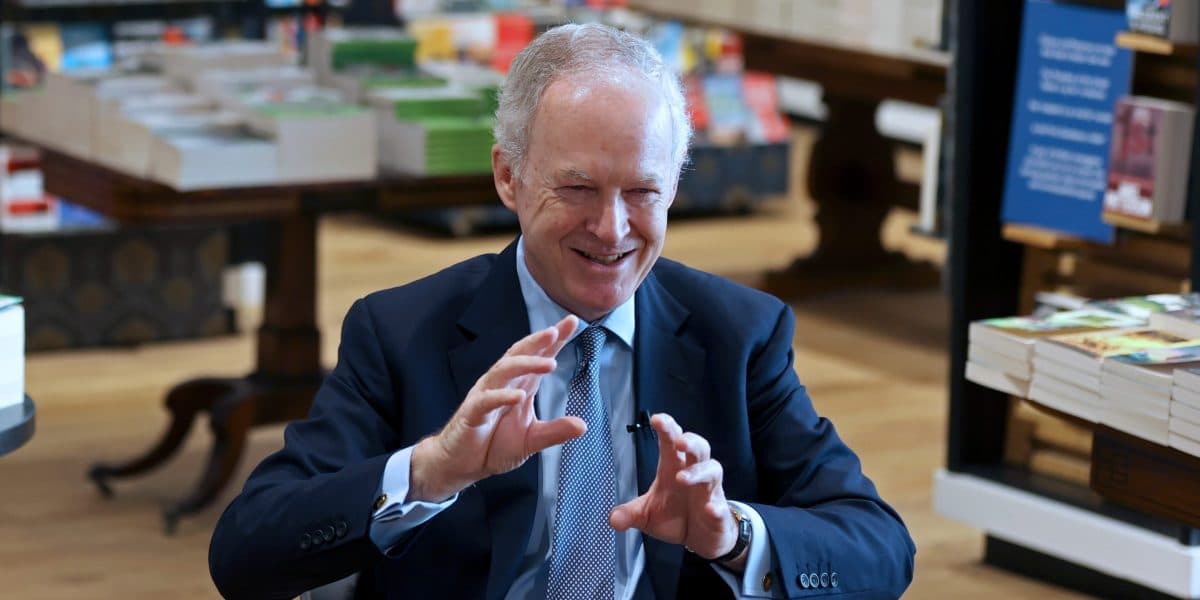
Photo via Fortune
Barnes & Noble is taking a measured stance on artificial intelligence-generated books rather than implementing an outright ban, according to comments from CEO James Daunt shared with Fortune. The nation's largest bookseller has opted to let the publishing industry self-regulate content labeling rather than police the sale of AI-authored titles at the point of retail.
Daunt clarified that the responsibility for identifying and disclosing AI-generated content should rest with publishers and authors, not with retailers like Barnes & Noble. This approach shifts the burden upstream in the supply chain, placing accountability on those who create and distribute books rather than on merchants who sell them. The CEO's position suggests a pragmatic business model that avoids potential liability while maintaining product availability.
For Dallas-area business leaders and entrepreneurs in publishing, technology, and retail, this decision underscores the emerging need for industry standards around AI disclosure. As artificial intelligence becomes more prevalent in content creation, companies across North Texas's growing tech sector may need to establish clear policies about algorithmic authorship, intellectual property, and consumer transparency.
Barnes & Noble's approach reflects a broader tension in the publishing industry: balancing innovation and market access against concerns about content authenticity and reader trust. The decision essentially passes the accountability question to publishers, making it their obligation to declare AI involvement in book creation—a framework that could reshape how Dallas-based publishers and digital media companies approach their author vetting processes.