Photo via Fast Company
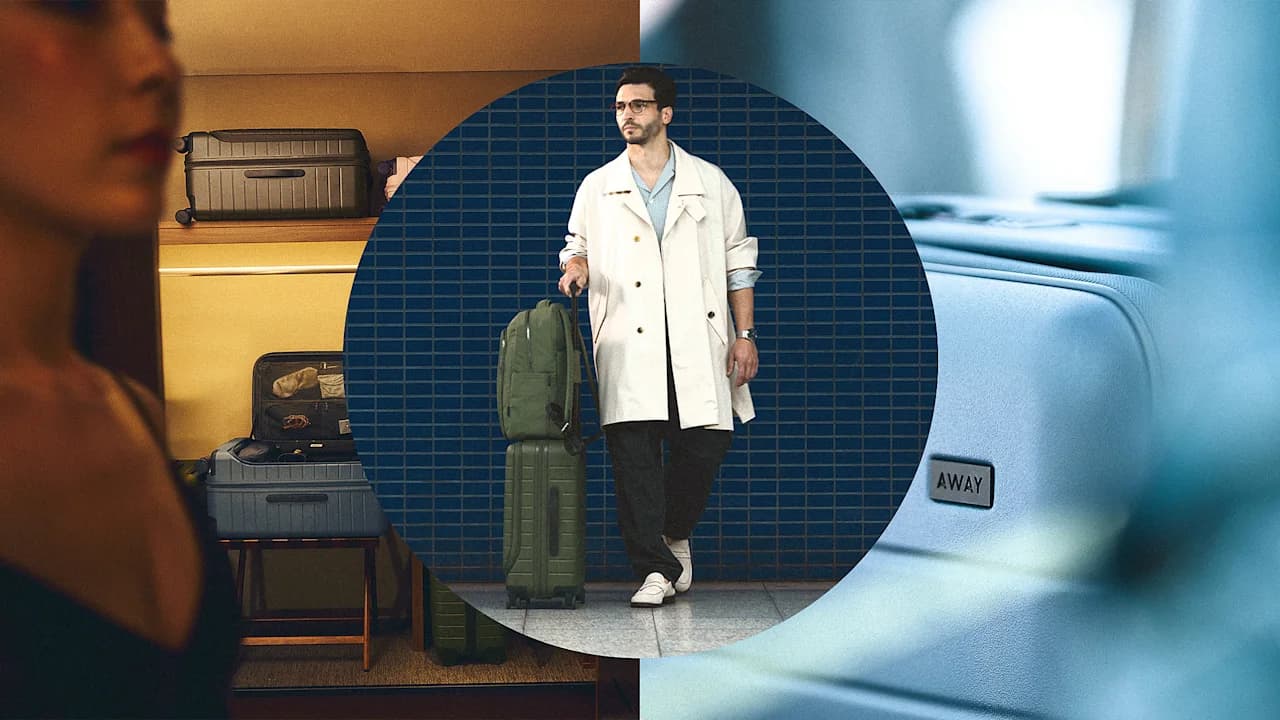
Amtrak and luggage brand Away have partnered to address a persistent complaint from rail passengers: navigating tight spaces with unwieldy suitcases. The Topside collection, which launched this spring, features several innovations designed specifically for train travel, including a wheel brake system that prevents suitcases from rolling during transit and a front-facing vertical opening that allows travelers to access belongings without laying bags flat. The collection ranges from $375 to $475 across three sizes.
The design partnership reflects Amtrak's broader effort to reposition rail travel as a premium, modern transportation option. According to Whitney Cripe, Amtrak's senior director of brand marketing, the collaboration "helps us elevate perceptions around rail travel as a more premium modern experience." Away offered early access to Amtrak's first-class Acela customers before a general public launch, while providing limited-time discounts to rail passengers. The strategy targets younger demographics and frequent business travelers who might otherwise choose flights or driving.
For Dallas-area business professionals, Amtrak's rebranding efforts signal potential expansion of rail service quality and amenities. While the Northeast Corridor dominates Amtrak's premium service, the company's record 34.5 million passengers last year and $3.9 billion in revenue demonstrate growing momentum. Future product collaborations are already in development, suggesting sustained investment in modernizing the rail experience.
Despite these innovations, industry experts note that luggage design alone cannot overcome fundamental infrastructure challenges. Amtrak's aging fleet—with many cars dating to the 1970s and 1980s—and limited service to smaller markets continue to hinder competitive positioning against air and car travel. Federal funding would be required to meaningfully upgrade service speed and reach comparable to European and Asian rail systems. Still, Away's ergonomic approach demonstrates how consumer-focused design can drive ridership by solving real-world pain points.