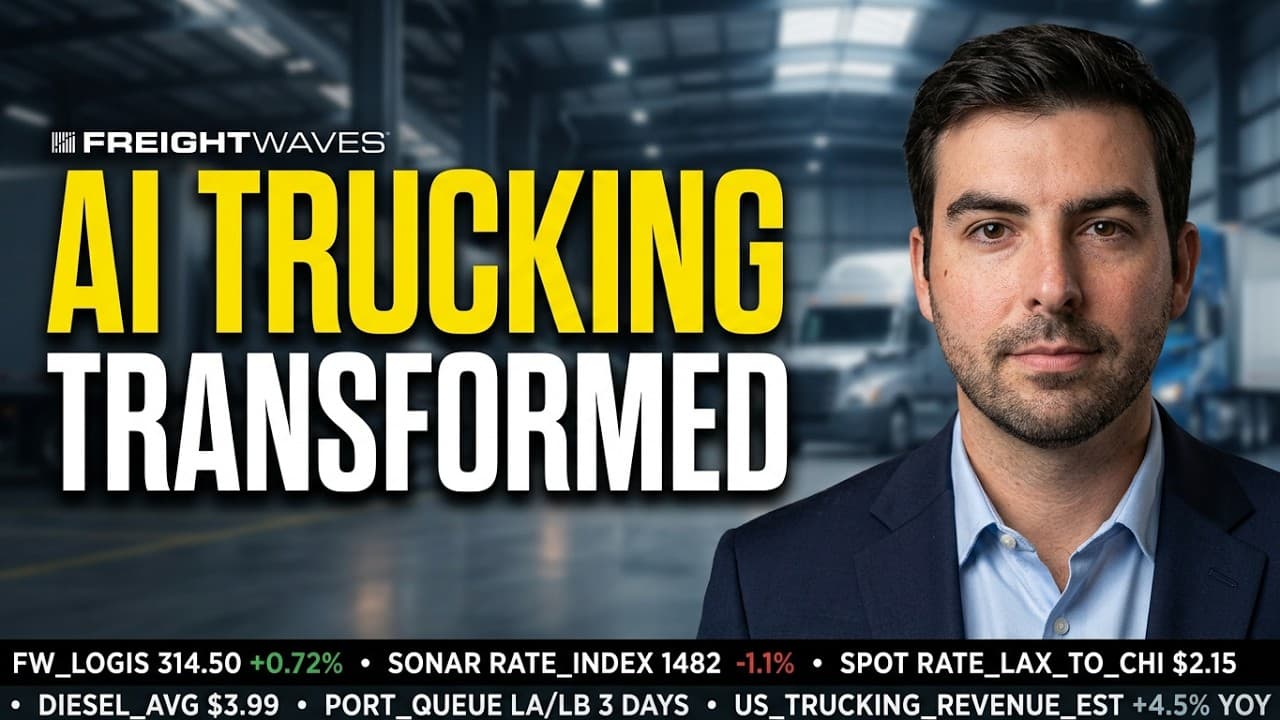
Photo via Autoconnectedcar
The autonomous vehicle sector continues to attract substantial investment and innovation from technology giants and automotive manufacturers alike. Companies like Waymo, backed by Alphabet, are making significant strides in commercializing self-driving technology, while traditional automakers including Toyota, Mercedes, and Stellantis are accelerating their own autonomous programs to remain competitive in this rapidly evolving market.
Ride-sharing platforms Uber and Lyft are pursuing autonomous capabilities as core components of their long-term strategies, recognizing that self-driving technology could fundamentally transform their business models and operational costs. Meanwhile, specialized players like Nuro and May Mobility are targeting specific use cases such as last-mile delivery and micro-mobility, demonstrating the diversity of applications beyond traditional passenger transportation.
The regulatory environment is shaping the industry's trajectory, with agencies like the California Public Utilities Commission establishing frameworks for autonomous vehicle deployment. For Dallas-area businesses in logistics and transportation, these regulatory developments suggest similar oversight structures may soon influence how autonomous technologies are adopted locally, particularly in supply chain and delivery operations.
Supporting this ecosystem are critical technology enablers including sensor manufacturers like Hesai Group, semiconductor firms such as Qualcomm, and autonomous driving software companies like Wayve. The convergence of these technologies—hardware, software, and connectivity—is creating a complex but increasingly mature autonomous vehicle landscape that will likely reshape transportation, delivery, and fleet management across North Texas industries.