Photo via CNBC Business
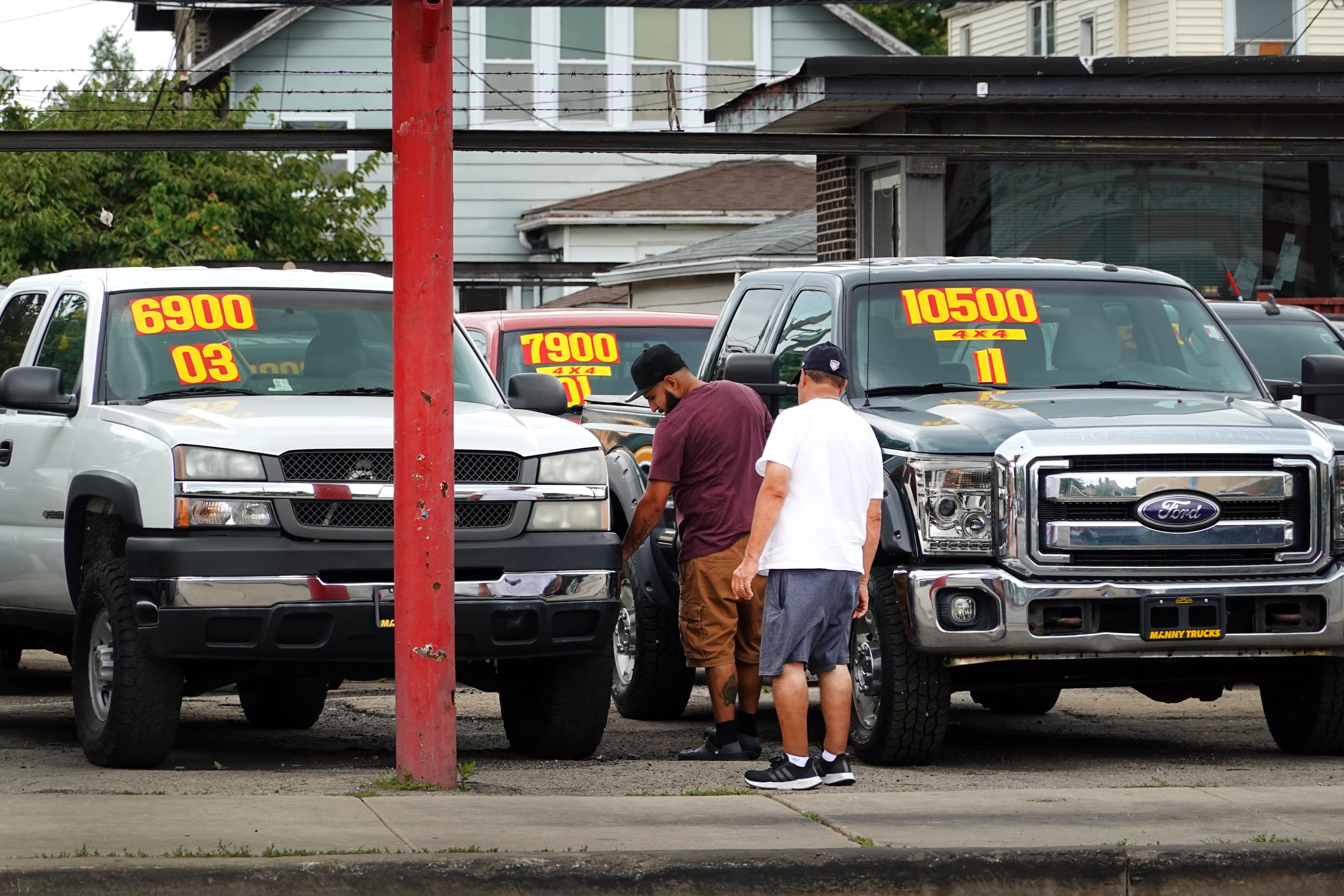
The automotive lending landscape continues to shift as car prices remain elevated and loan terms stretch longer. According to data from Capital One, one of the nation's largest auto lenders, the surge in monthly car payments—climbing from $390 to $525 since 2019—hasn't triggered the same level of concern some analysts expected. The key distinction lies in how lenders view affordability in relation to actual household incomes rather than payment amounts in isolation.
For Dallas-area consumers and dealerships, this perspective matters significantly. North Texas has seen robust vehicle sales activity despite affordability challenges, with many buyers turning to longer loan terms to manage monthly obligations. Capital One's analysis suggests that when adjusted for income growth, vehicle costs have maintained relative stability, which could explain why major lenders maintain confidence in the credit quality of their portfolios even as terms stretch beyond traditional 60-month loans.
The trend toward 'forever loans'—vehicle financing extending seven years or longer—reflects both lender confidence and borrower necessity. These extended terms allow buyers to keep monthly payments manageable while still accessing new vehicles, a strategy particularly common in markets like Dallas where transportation demands vary widely across suburban and urban populations. Lenders view this as a sustainable adaptation rather than a warning sign of deteriorating credit conditions.
Looking ahead, the stability Capital One describes will likely depend on employment conditions and wage growth in key markets. For Dallas business leaders in automotive sales, finance, and related industries, monitoring these lending patterns provides insight into consumer spending capacity and economic health. As long as income growth keeps pace with vehicle costs, lenders suggest the current environment remains manageable despite headlines about rising payments.