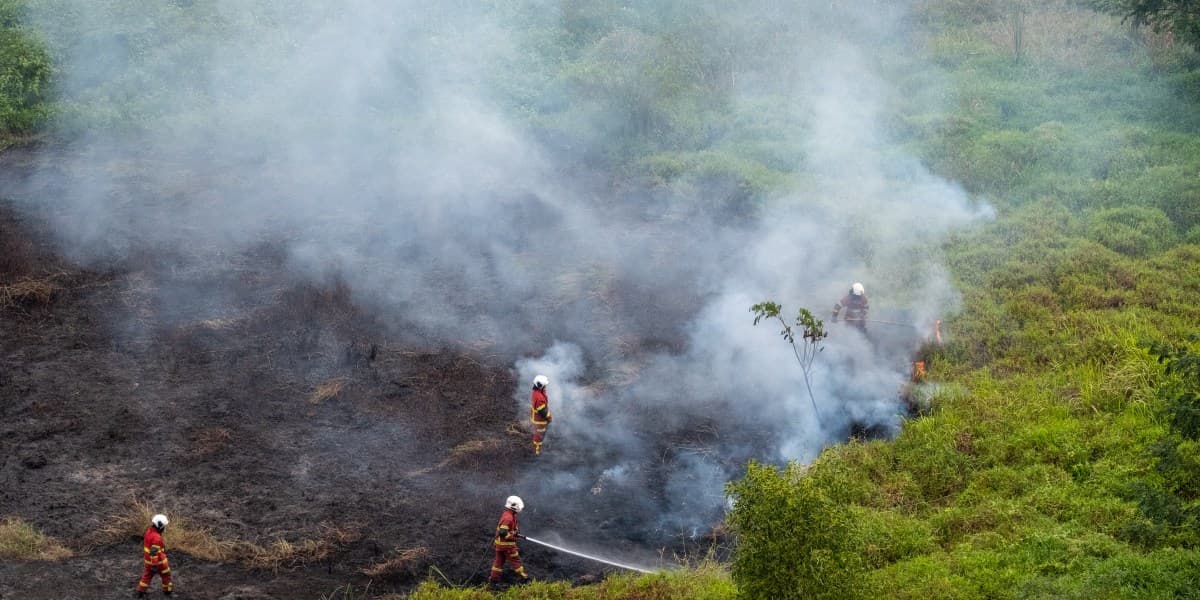
Photo via Fortune
Asia faces a mounting energy crisis just as climate patterns threaten to intensify the problem. According to Fortune, the region is already struggling to secure adequate oil and gas supplies, and meteorologists warn that an unusually strong El Niño weather pattern could amplify these challenges significantly. The convergence of supply constraints and climate volatility creates a precarious situation for one of the world's most critical economic regions.
Extended drought conditions and elevated temperatures associated with a 'Super El Niño' would strain power grids across Asia at the worst possible moment. Countries heavily dependent on hydroelectric and thermal power generation would face particular vulnerability, forcing them to compete even more aggressively for limited fossil fuel reserves. This dynamic could drive energy prices higher globally, affecting everything from shipping costs to manufacturing expenses for Dallas-area importers and exporters.
For Texas businesses, the implications are tangible. The energy sector, which anchors the Dallas economy, could see increased volatility in oil and natural gas pricing. Companies in logistics, manufacturing, and retail that rely on efficient supply chains and predictable energy costs may face margin pressures if Asian markets experience severe power disruptions. The cascading effects of regional energy instability could ripple through global markets for months.
Dallas business leaders should monitor Asian energy developments closely as a potential headwind for 2024 operations and planning. Energy price volatility, supply chain delays, and increased shipping costs could emerge as material risks for companies with significant Asia-Pacific exposure. Now is the time for regional businesses to stress-test their supply chains and energy assumptions against a scenario of prolonged Asian energy constraints.