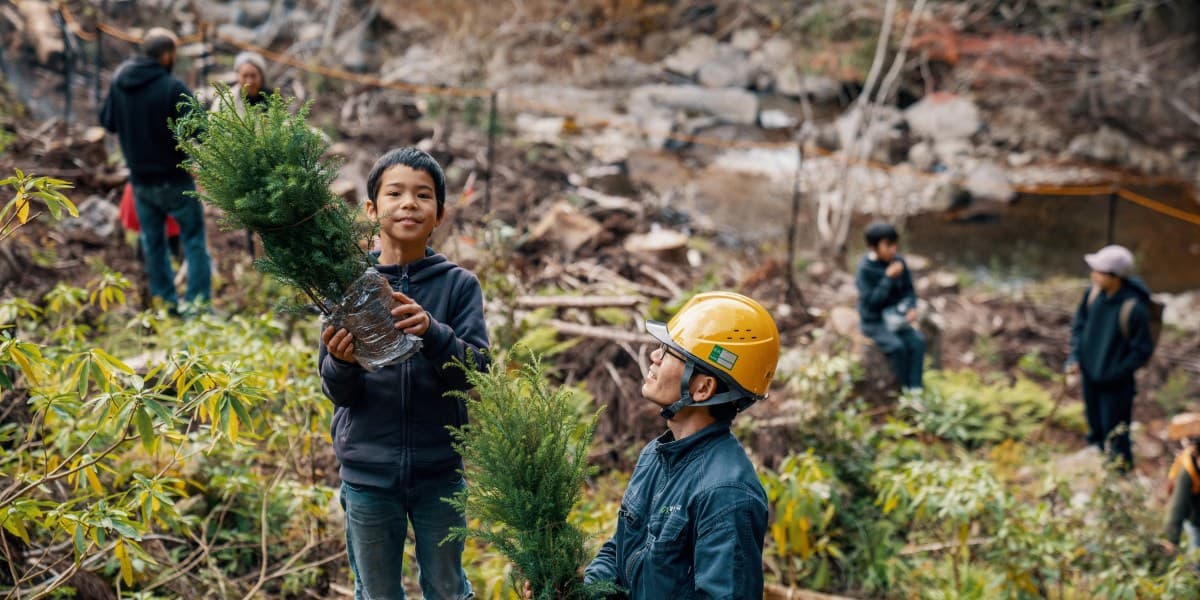
Photo via Fortune
The global climate finance landscape is undergoing a significant rebalancing as traditional Western donors reduce their commitments. According to Fortune, philanthropic giving directed toward climate mitigation remains remarkably small—less than 2% of all charitable contributions worldwide. This limited pool creates an opportunity for alternative funding sources, particularly in Asia, where investors and foundations are increasingly stepping in to fill the void left by retreating U.S. and European institutions.
The disparity in how climate dollars flow globally reveals another troubling trend: of the minimal climate philanthropy that does exist, just 12% reaches Asian markets. This funding gap has major implications for the region's ability to address climate challenges and transition to sustainable energy systems. For Dallas-based companies in the energy sector, this Asian capital shift could reshape competition and create new partnership opportunities as Asian investors gain influence over green technology standards and sustainability initiatives.
The shift toward Asian climate funding sources reflects broader economic trends favoring emerging markets and newly influential institutional investors in the region. As these funders gain prominence, they may prioritize projects and technologies aligned with their own economic interests and development models. For Texas financial firms and investors, understanding Asian climate finance strategies will be essential for identifying international investment opportunities and staying competitive in the growing green economy.
The changing dynamics of global climate funding underscore the need for Dallas-area businesses to monitor international capital flows and adapt their sustainability strategies accordingly. Companies in energy, finance, and technology sectors should consider how Asian investor priorities might influence industry standards, regulatory frameworks, and market opportunities in the coming years.