Photo via Fast Company
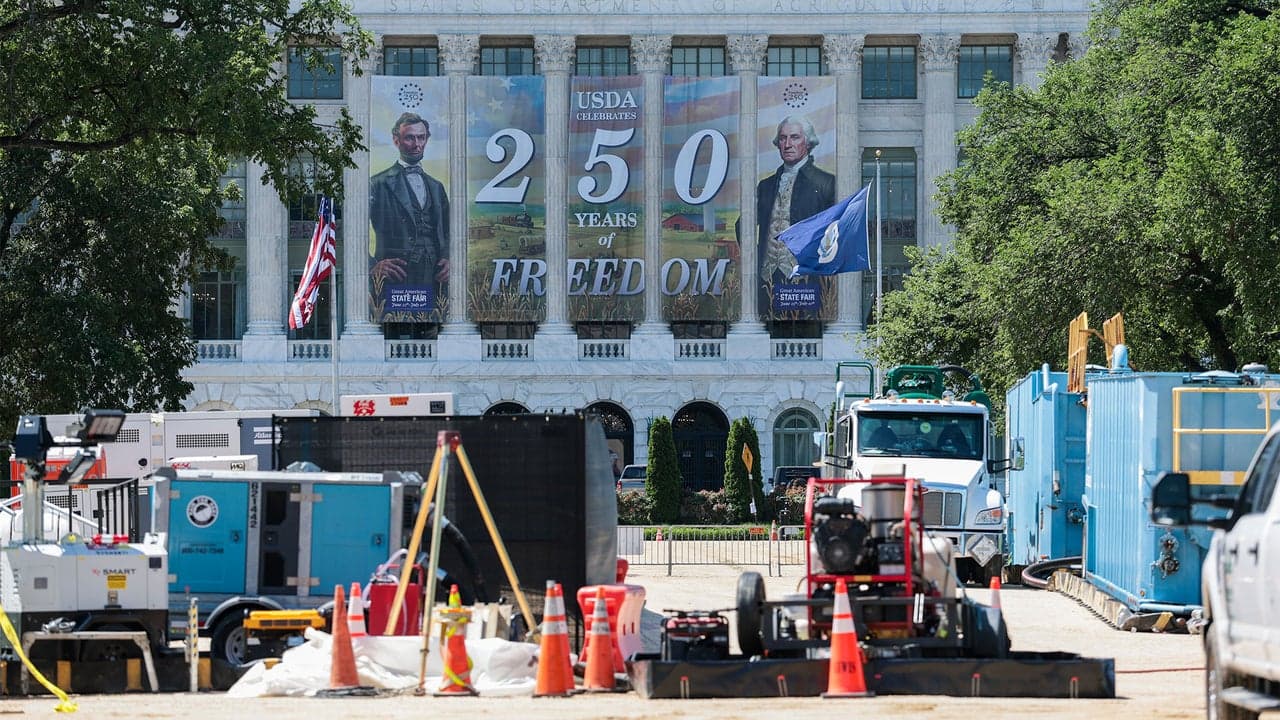
The Freedom 250 organization's flagship Great American State Fair, planned for June 25 through July 10 on the National Mall, encountered significant setbacks this week when six of nine announced musical performers withdrew from the lineup. According to Fast Company, artists including country star Martina McBride, Bret Michaels, and several others cited a fundamental disconnect between event descriptions during recruitment and the festival's actual political nature. The incident underscores how miscommunication during the booking process can derail even high-profile productions.
McBride stated publicly that she had accepted what was presented as a nonpartisan celebration, only to discover it had evolved into something 'much more divisive.' Similar complaints emerged from other performers, with some claiming they were not adequately informed about the event's political dimensions. The confusion extended to the Milli Vanilli situation, where the group's actual vocalists disputed the legitimacy of a performer using their name. These transparency issues highlight risks that event organizers—from Dallas corporate galas to major festivals—must navigate when coordinating with talent.
Freedom 250's official response emphasized respect for performers' autonomy while reframing the event as a nonpolitical celebration of American heritage. A spokesperson told media outlets that the organization remains 'open to any performer who wants to be part of honoring 250 years of American freedom, culture, and unity.' This messaging strategy reflects how organizations attempt damage control when public perception diverges from intended branding. For Dallas-based event professionals, the situation illustrates the importance of clear contractual language and alignment between marketing claims and actual event positioning.
The shrinking performer roster has become fodder for social media mockery, with users posting satirical announcements of fictional artists 'withdrawing' from the concert series. The viral nature of this coverage demonstrates how event controversies now carry immediate reputational consequences amplified through digital channels. As Dallas hosts increasingly high-stakes conferences and celebrations, the Freedom 250 experience serves as a relevant case study in event credibility, stakeholder communication, and the lasting impact of early missteps.