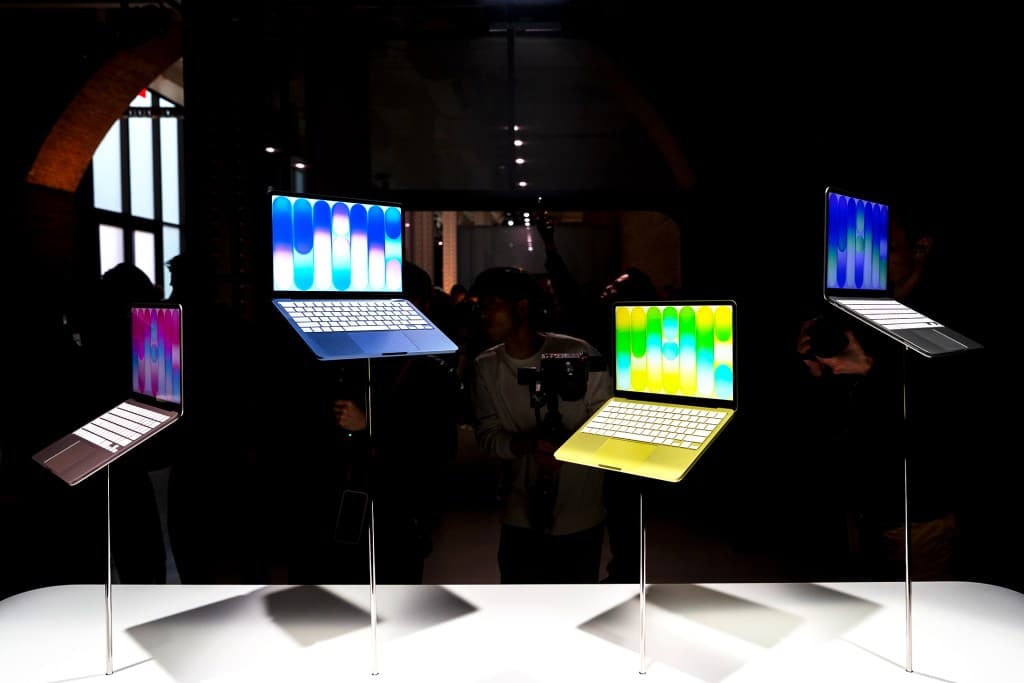
Photo via Entrepreneur
Apple's signature Liquid Glass design aesthetic has proven successful on its smartphone lineup, delivering sleek visuals and intuitive interactions that resonate with consumers. However, according to Entrepreneur, the company has discovered that this approach doesn't seamlessly translate to the larger LCD screens found on most Mac computers, prompting a strategic recalibration of its design philosophy.
The disconnect between iPhone optimization and Mac display technology represents a broader challenge facing tech companies that develop products across multiple platforms and screen sizes. What works visually and functionally on a 6-inch display often requires substantial modification when scaled to a 13- or 16-inch laptop screen, particularly when the underlying display technology differs significantly.
For Dallas-area tech workers and businesses relying on Apple products for daily operations, this adjustment could improve the user experience on Mac devices—the preferred platform for many creative professionals and software developers in North Texas. Better-optimized interfaces may enhance productivity for the region's growing tech sector and design-focused companies.
Apple's willingness to evolve its design approach demonstrates the importance of hardware-software harmony in consumer technology. As the company continues refining its cross-device ecosystem, users can expect more thoughtful implementations tailored to each product's specific technical capabilities rather than one-size-fits-all design solutions.