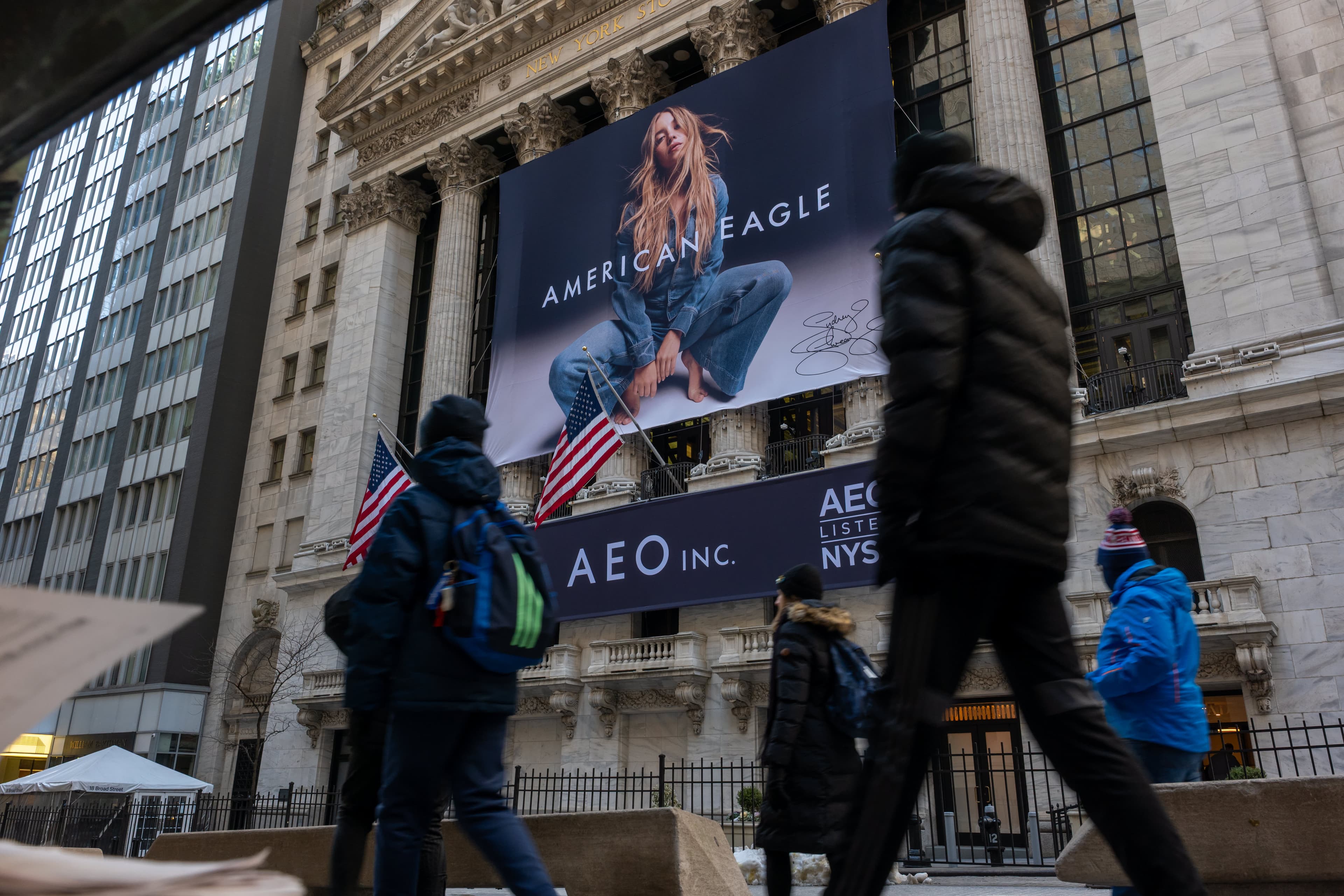
Photo via CNBC Business
American Eagle Outfitters delivered better-than-expected overall results, yet the performance masked a troubling divergence within its brand portfolio. According to CNBC Business, while the company beat Wall Street targets on the bottom line, its flagship American Eagle banner underperformed sales forecasts despite investment in a high-profile campaign featuring actress Sydney Sweeney.
The Dallas area's robust retail sector watches such dynamics closely, as the region hosts numerous apparel companies navigating the delicate balance between established brands and emerging concepts. American Eagle's subsidiary Aerie, which specializes in loungewear and intimate apparel, demonstrated strong momentum—a bright spot that executives are likely to emphasize going forward.
The contrast between American Eagle's struggling namesake brand and Aerie's growth trajectory suggests that celebrity advertising alone cannot overcome deeper challenges in market positioning or product-market fit. Retailers across North Texas face similar pressures to refresh aging brands while nurturing newer concepts that resonate with shifting consumer preferences.
For investors and business leaders monitoring the retail landscape, American Eagle's mixed results underscore the increasing importance of brand differentiation and agile portfolio management. As traditional department store formats continue to evolve, companies must demonstrate not just top-line growth but strategic clarity about which banners drive sustainable long-term value.