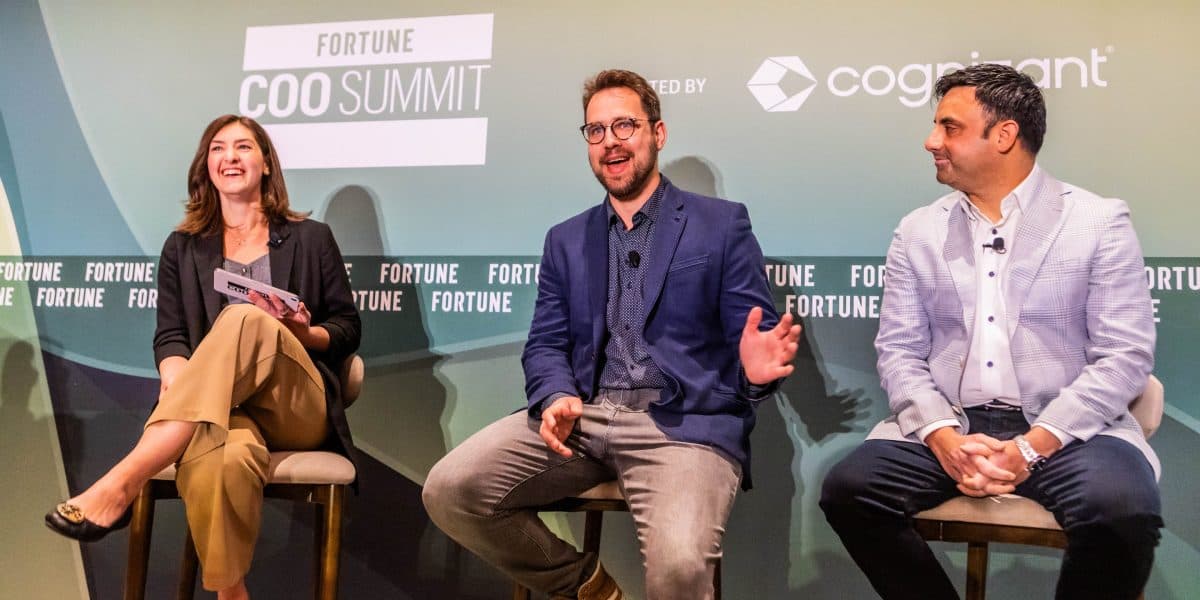
Photo via Fortune
As artificial intelligence continues reshaping the business landscape, executives at identity management firm Okta are sounding an alarm about what they see as a critical blind spot among companies across North Texas and beyond. According to Okta's President and COO Eric Kelleher, many organizations are fixating on AI technology itself while ignoring the harder work of actually restructuring their operations to leverage it effectively.
The core issue, Kelleher explains, centers on what he calls the shift from 'workforce' to 'work planning.' Rather than simply adding AI tools to existing processes, companies must fundamentally rethink how tasks are allocated, budgeted, and managed when both human employees and digital workers are involved. This conceptual leap is proving difficult for many Dallas firms still grappling with post-pandemic operational changes.
For Dallas-based businesses across industries—from finance and healthcare to technology and energy—this means moving beyond purchasing AI software and actually redesigning job roles, workflows, and organizational structures. Companies must determine which tasks humans should handle, which should go to AI systems, and how these elements work together. This requires new budgeting frameworks, skill development, and management approaches that most organizations haven't yet developed.
The challenge underscores why successful AI adoption will separate industry leaders from laggards in the coming years. Dallas companies that proactively redesign their operations around human-AI collaboration will likely outpace competitors still treating AI as a simple technological upgrade. For many executives in the region, that means confronting uncomfortable organizational realities sooner rather than later.