Photo via Inc.
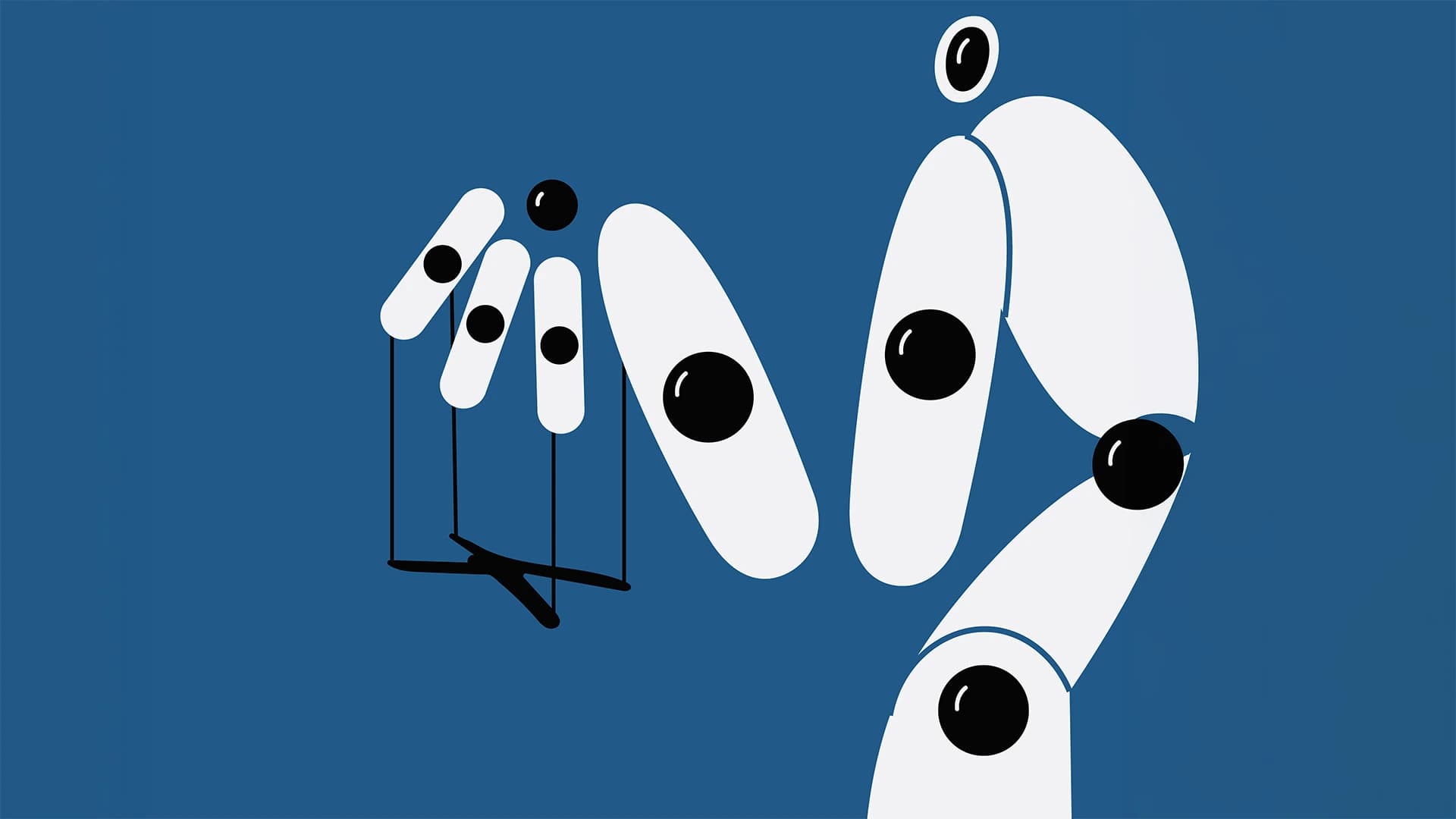
The conversation around artificial intelligence in Dallas boardrooms typically centers on one concern: automation and job loss. But according to Inc., there's a more subtle—and potentially more consequential—risk that executives should be monitoring. As AI systems become embedded in daily business operations, from customer service to financial analysis, the real danger may lie in how these tools shape human thinking and decision-making rather than simply replacing workers.
When AI systems handle increasing portions of data analysis, reporting, and even strategic recommendations, there's a cumulative effect on how professionals form their own judgments. Dallas-based companies across finance, energy, healthcare, and tech sectors are integrating AI into workflows at a rapid pace, but many haven't considered the long-term implications of deferring critical thinking to algorithms. Over time, employees and leaders may become less equipped to evaluate information independently or challenge AI-generated insights, creating organizational blind spots.
The influence risk manifests in subtle ways: employees accepting AI recommendations without scrutiny, leaders making decisions based on algorithmic suggestions they don't fully understand, or entire teams adopting a single AI tool's perspective as gospel. This is particularly concerning in industries like finance and energy, where Dallas has significant concentration. When decision-makers lose the habit of independent analysis, organizations become vulnerable to systemic errors that propagate across departments.
For Dallas business leaders, the path forward requires intentional guardrails. Rather than asking whether AI will replace your workforce, start asking: How will we maintain critical thinking? What checks and balances ensure humans remain the ultimate decision-makers? Building a culture where AI augments human judgment—rather than substitutes for it—will determine which companies thrive as these technologies mature.