Photo via Fortune
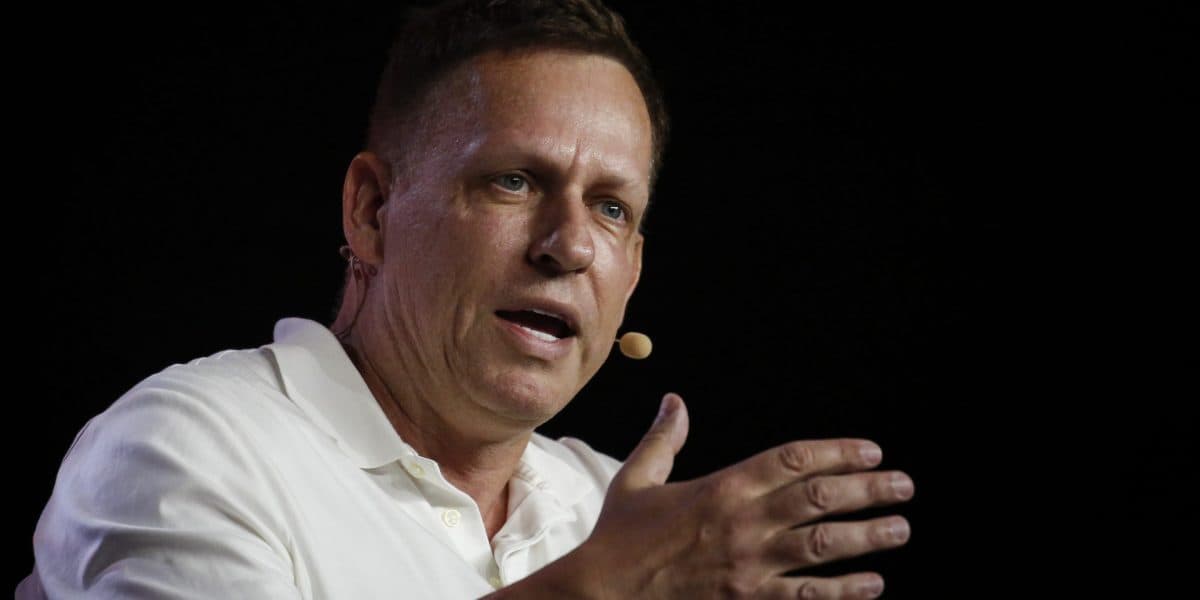
The conventional wisdom that STEM careers offer job security may need revision in an AI-driven economy. According to reporting from Fortune, venture capitalist Peter Thiel has raised concerns that artificial intelligence poses a more significant threat to technical roles than to creative and strategic positions—a counterintuitive warning that challenges decades of career guidance.
Recent labor market data lends credibility to Thiel's assessment. A LinkedIn analysis cited in the Fortune piece found that job postings for "storytellers" have doubled in the past year, suggesting employers are increasingly valuing creative problem-solving and narrative skills as AI handles more routine technical tasks. This shift signals a fundamental change in what skills command premium compensation.
For Dallas-area businesses and professionals, this trend has immediate implications. The region's robust technology and financial services sectors have historically prioritized technical expertise, but companies may need to reassess hiring priorities and workforce development strategies. Organizations that can combine technical knowledge with creative and strategic thinking may find themselves better positioned to compete as automation handles more standardized technical work.
The emerging skills gap presents both a challenge and an opportunity for Dallas professionals. Those in technical roles should consider developing complementary soft skills—communication, strategic thinking, and creative problem-solving—that artificial intelligence cannot easily replicate. Conversely, companies investing in talent development that bridges technical and creative capabilities may gain competitive advantage in a rapidly evolving job market.