Photo via Inc.
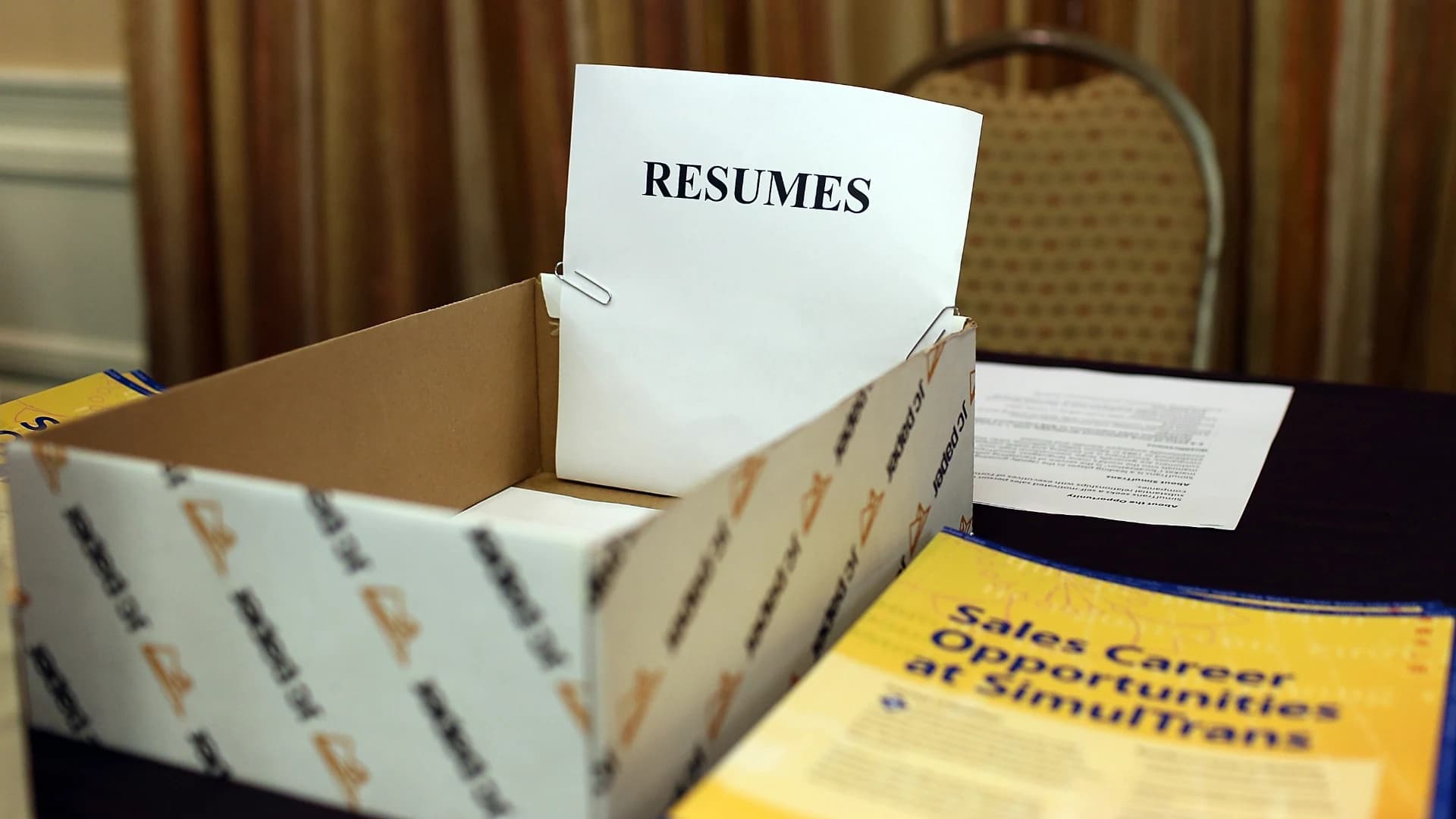
A counterintuitive pattern is emerging in the competitive job market: the artificial intelligence systems designed to evaluate resumes show a marked preference for applications written by AI tools themselves. According to Jonathan Ross of Nvidia, this self-perpetuating cycle creates an unexpected advantage for candidates who understand which AI model their potential employer uses for screening.
For Dallas-area professionals in technology, finance, and other sectors increasingly relying on AI-powered hiring platforms, this discovery raises practical concerns. Job applicants must now navigate an additional layer of strategy—identifying which AI system a company employs and potentially aligning their application materials accordingly to avoid algorithmic rejection before human review.
The phenomenon reveals a broader challenge in how organizations implement AI hiring tools without understanding their inherent biases and limitations. Companies across North Texas that depend on these screening systems may inadvertently create barriers for qualified candidates while simultaneously introducing opacity into their recruitment processes, potentially exposing themselves to legal and reputational risks.
Career advisors and HR professionals in the Dallas region should consider these findings when updating their guidance for job seekers. Understanding the technical mechanisms behind resume screening—and the quirks within those systems—is becoming as important as traditional resume crafting, signaling a shift in how candidates must approach their job search strategy.