Photo via Inc.
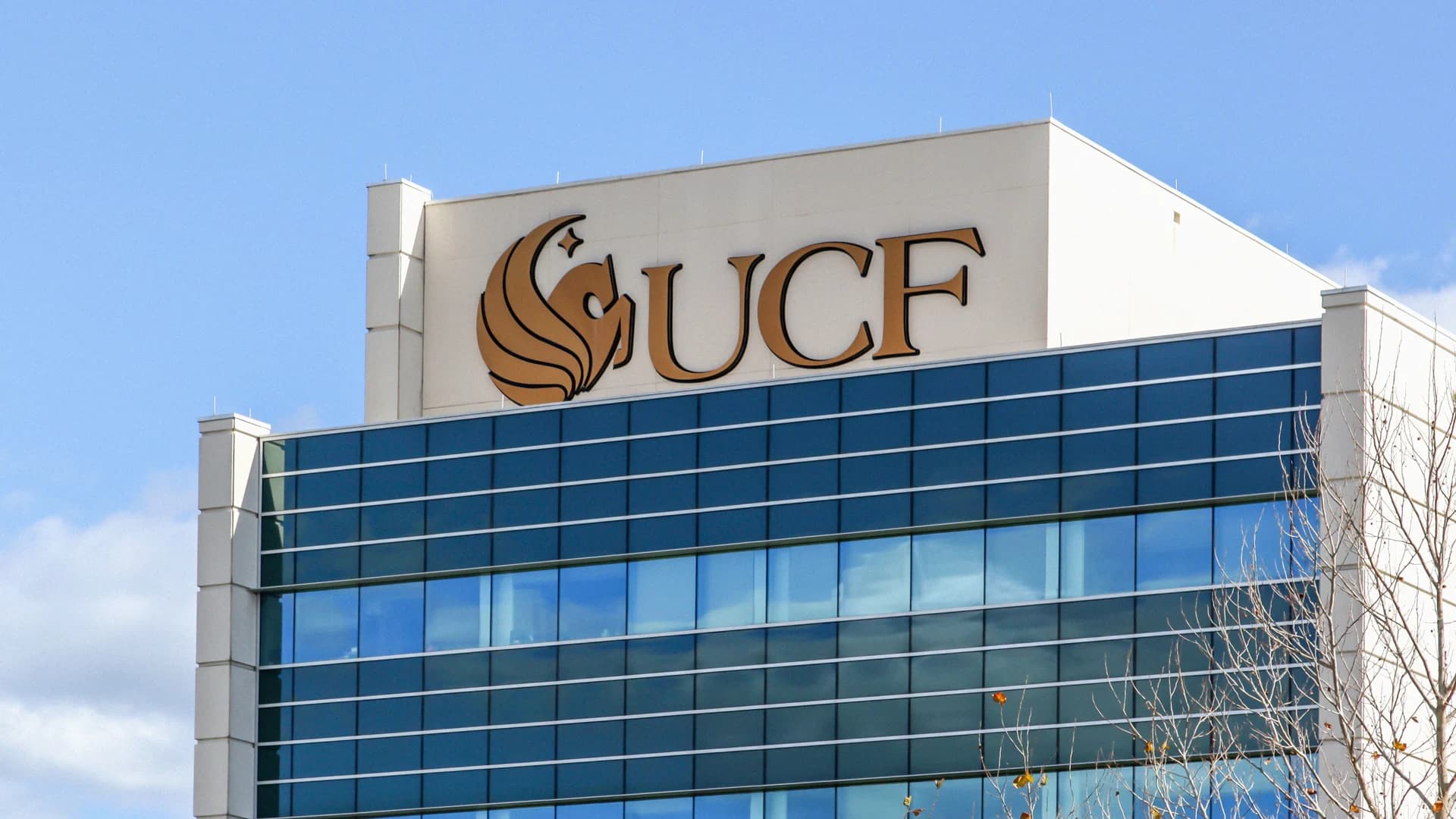
A University of Central Florida commencement ceremony recently highlighted the generational divide over artificial intelligence's role in the economy. According to Inc., a speaker presenting AI as the 'next industrial revolution' encountered vocal pushback from the graduating class, signaling growing unease among younger workers about the technology's impact on their career prospects.
The incident underscores a critical tension facing business leaders across industries, including those in North Texas. While technology enthusiasts and corporate executives often frame AI as a transformative opportunity for innovation and productivity gains, entry-level workers worry about job displacement and economic security. For Dallas-area companies investing heavily in AI capabilities, this disconnect presents a communication and culture challenge.
The reaction reflects broader workforce anxiety about automation. Recent graduates entering the job market are acutely aware that AI systems can perform tasks previously requiring human labor. Unlike previous technological revolutions, which unfolded over decades, the rapid deployment of generative AI has compressed the timeline for disruption, leaving little room for gradual workforce adaptation.
Business leaders should recognize this skepticism not as resistance to progress, but as feedback on how organizational transitions are managed. Dallas companies seeking to attract and retain talent will need to pair AI investment with transparent workforce development plans, reskilling opportunities, and honest conversations about how the technology reshapes roles rather than dismissing concerns as generational pessimism.