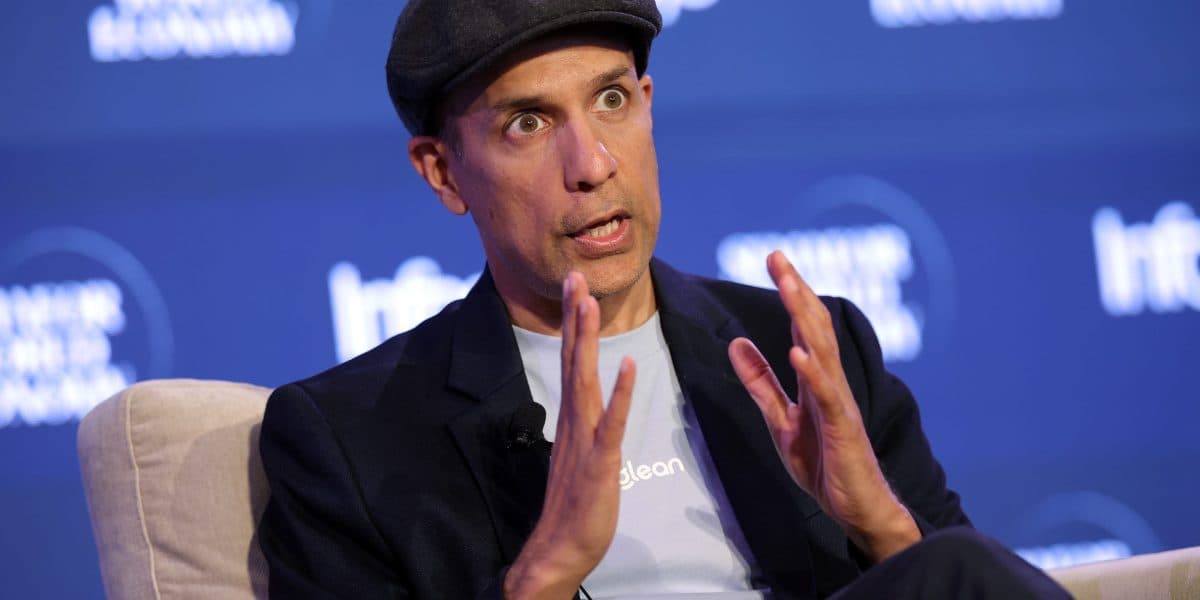
Photo via Fortune
A paradox is unfolding in the technology sector that should concern Dallas-area business leaders: job postings are attracting massive volumes of applicants, yet employers report difficulty filling positions with qualified talent. According to Fortune, a prominent AI CEO leading a $7.2 billion company receives thousands of job applications daily but faces persistent hiring challenges. The disconnect suggests that application volume alone doesn't solve recruitment problems, a lesson particularly relevant as Dallas tech companies scale operations.
What's most striking about this hiring challenge isn't a lack of technical credentials or educational pedigree. The executive emphasizes that the missing ingredient among many candidates has little to do with degrees or certifications. Instead, employers are hunting for fundamental professional qualities—particularly a strong work ethic and demonstrated commitment to excellence. For Dallas companies competing for talent against national AI hubs, understanding what drives candidate quality beyond credentials could reshape local recruitment strategy.
The timing underscores a generational tension in the workforce. As recent graduates struggle to secure opportunities, employers remain selective about whom they bring into high-pressure environments. This selectivity reflects evolving workplace expectations: technical skills can be taught, but reliability, drive, and professional character are increasingly viewed as non-negotiable. Dallas business leaders should consider how their hiring practices evaluate these intangible qualities alongside traditional qualifications.
For Dallas-based tech firms and AI companies entering growth phases, the lesson is clear: casting a wider net won't automatically solve talent shortages. Instead, companies may need to invest more heavily in evaluating candidates' work ethic and professional values during recruitment. As competition intensifies for elite tech talent, organizations that prioritize character and commitment alongside capability could gain meaningful advantage in building sustainable, high-performing teams.