Photo via Fortune
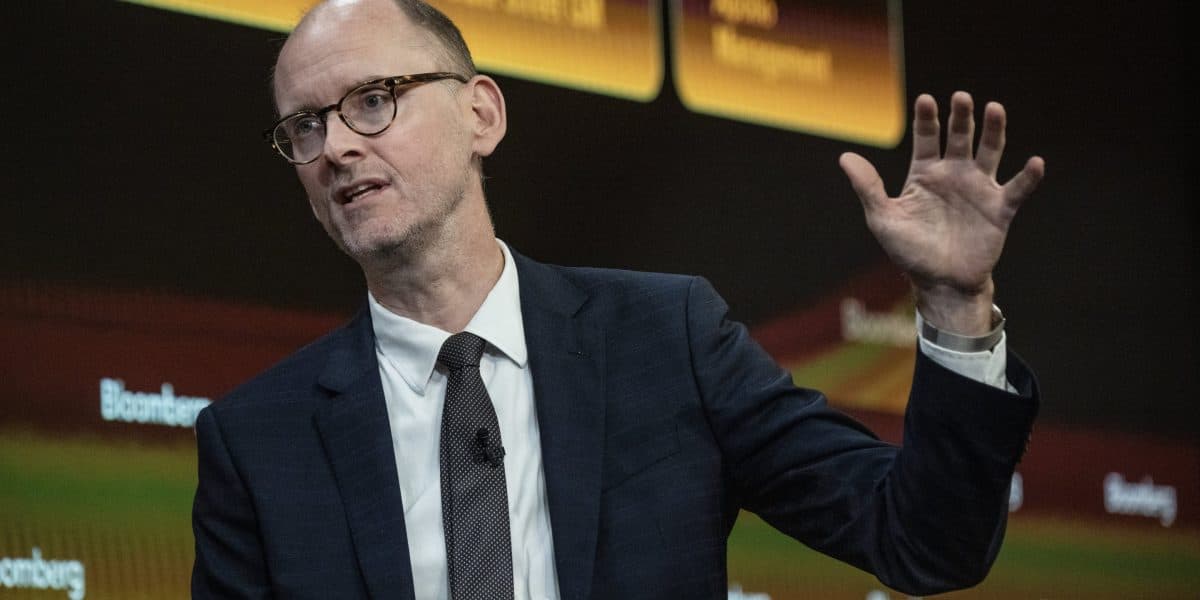
Torsten Sløk, chief economist at Apollo, challenges the prevailing narrative that artificial intelligence threatens employment levels. According to Sløk's analysis, there is "zero evidence" that AI is reducing overall job opportunities for workers. Instead, the technology is generating new positions across industries faster than automation is eliminating existing roles.
The disconnect between headline layoffs and job creation reflects a transition period in the labor market. While some companies have publicly attributed workforce reductions to AI efficiency gains, aggregate employment data tells a different story. Sløk's research suggests that sectors implementing AI tools are simultaneously expanding hiring in complementary roles—from AI specialists to data analysts to implementation coordinators.
For Dallas-area businesses, this dynamic presents both opportunity and challenge. The region's growing tech sector and established corporate headquarters are well-positioned to capture AI-driven job growth, particularly in finance, healthcare, and energy sectors that increasingly rely on intelligent automation. However, companies must invest in workforce retraining to help existing employees transition into AI-adjacent roles.
The long-term outlook hinges on how quickly businesses and workers adapt to technological change. Rather than AI displacing labor wholesale, Sløk's findings suggest a reconfiguration of work itself—where human workers increasingly focus on tasks that require creativity, judgment, and complex problem-solving that AI cannot yet replicate. Dallas employers watching these trends should consider workforce development as a strategic priority.