Photo via Inc.
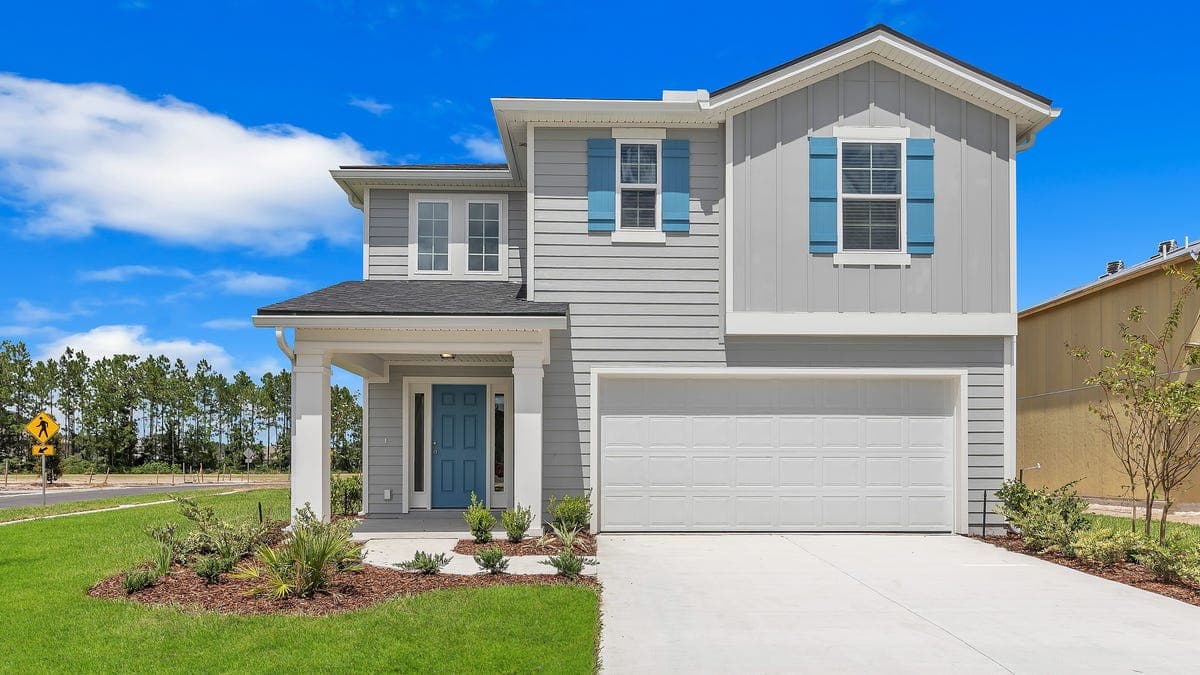
San Francisco is grappling with a housing affordability crisis directly linked to artificial intelligence-driven wealth creation. According to Inc., rents in the Bay Area have surged 22 percent as tech workers flush with AI-related compensation engage in aggressive bidding wars for limited residential inventory. The phenomenon underscores how rapidly expanding sectors can strain local real estate markets and reshape communities.
The situation reflects a broader pattern: when concentrated industry wealth floods a region, housing becomes a primary flashpoint for inequality. San Francisco tech workers—even those benefiting from the AI boom themselves—are increasingly vocal about how soaring rents price out middle-income earners and exacerbate the Bay Area's existing affordability problems. This disconnect between high earner prosperity and community-wide housing stress is reshaping sentiment in Silicon Valley.
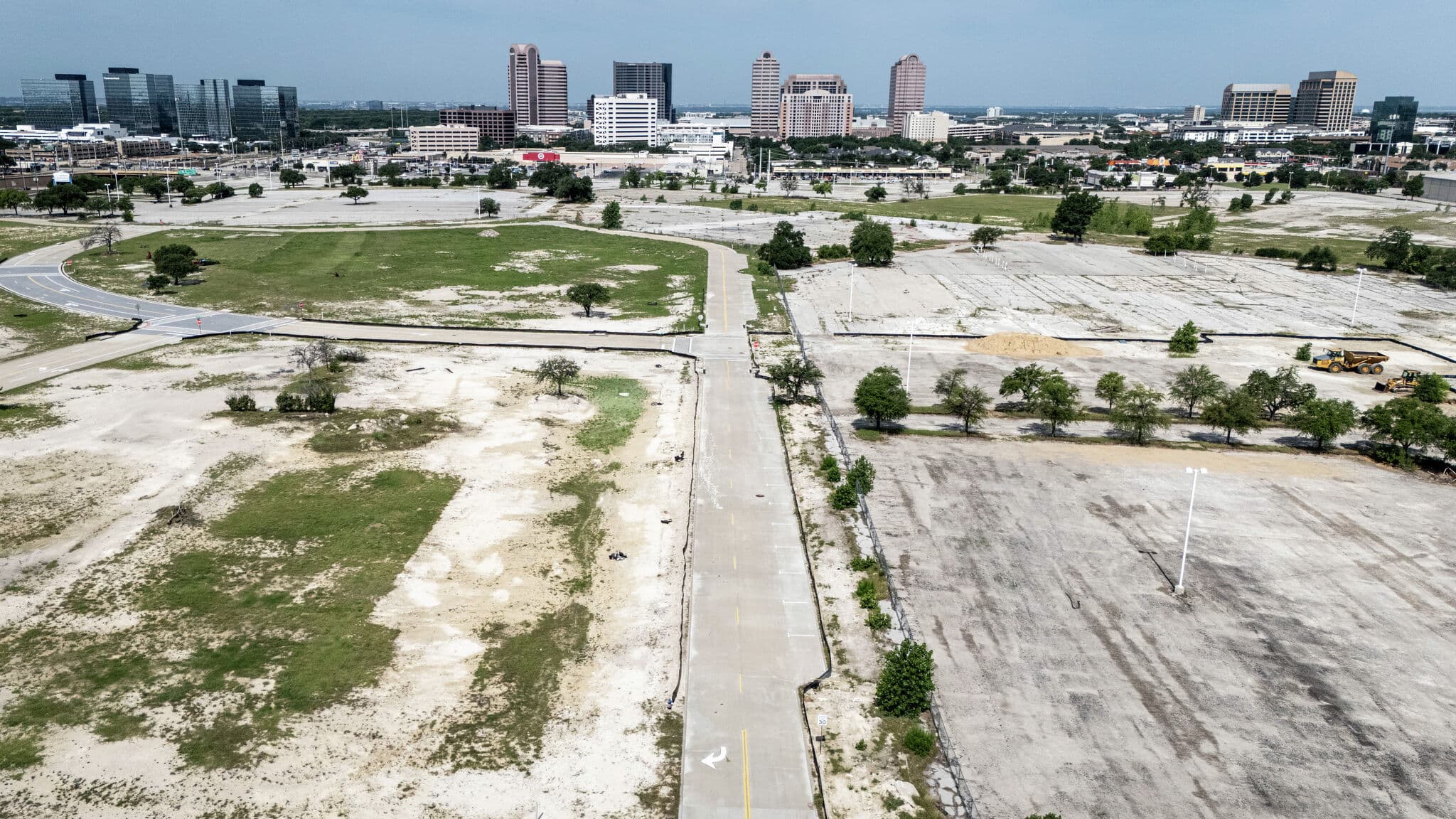
Dallas has attracted significant technology investment and talent in recent years, positioning itself as an alternative tech hub to expensive coastal markets. Local real estate professionals and city planners should monitor San Francisco's experience closely, as demand for Dallas tech talent could trigger similar housing pressures. The region's relative affordability remains a competitive advantage—one worth protecting through thoughtful development and planning.
The Bay Area's housing squeeze offers Dallas policymakers and business leaders a data point on managing rapid sector growth. While the city welcomes new tech employers and workers, proactive zoning, affordable housing incentives, and infrastructure investment now could prevent the kind of acute affordability crisis now plaguing San Francisco. For Dallas entrepreneurs and investors, the lesson is clear: sustainable growth requires communities that can accommodate prosperity broadly.