Photo via Entrepreneur
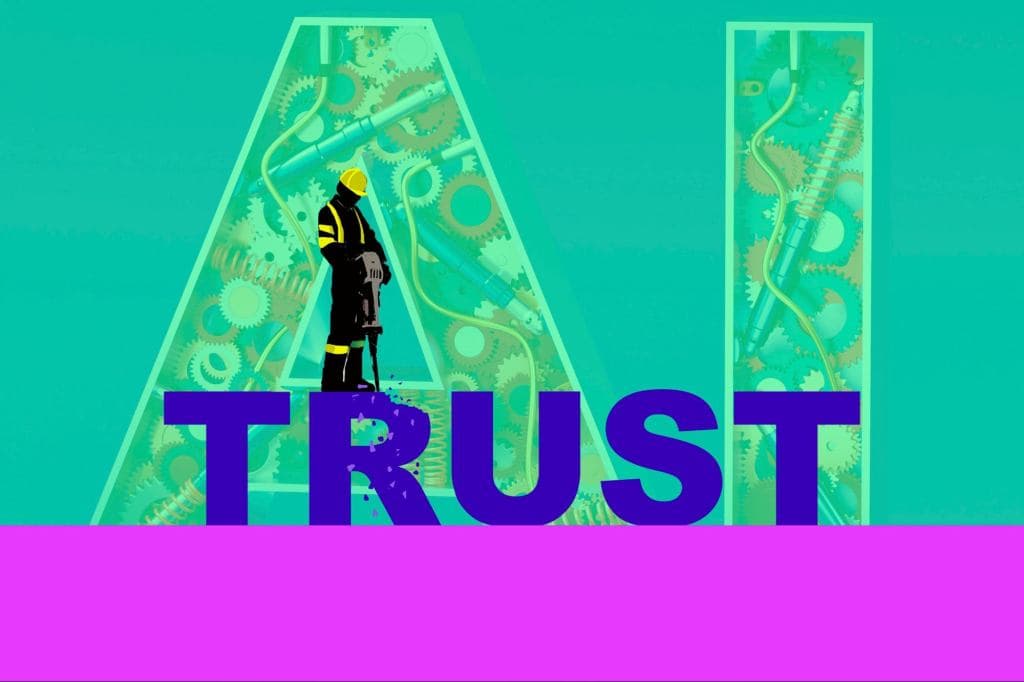
As Dallas-area companies accelerate artificial intelligence adoption, a hidden risk threatens transformation efforts—not from the technology itself, but from leadership communication gaps. According to Entrepreneur, the vulnerability emerges when executives remain silent or provide vague guidance precisely when employees need clarity most. For organizations across North Texas managing complex AI implementations, this communication vacuum can erode workforce confidence and derail strategic initiatives before they gain traction.
The trust deficit manifests when employees lack understanding about how AI will affect their positions, workflows, and career trajectories. Dallas business leaders—from technology firms in the Uptown corridor to established corporations navigating digital transformation—must recognize that silence breeds speculation and anxiety. Transparent communication about AI's role, expected changes, and organizational commitment to workforce development becomes a competitive advantage in retaining talent during periods of technological disruption.
Leading organizations implement structured communication frameworks that address employee concerns head-on. This includes explaining the 'why' behind AI investments, clarifying which functions will change versus those remaining human-centered, and outlining support mechanisms for workforce adaptation. Dallas companies adopting this proactive stance create psychological safety that enables employees to embrace innovation rather than resist it from fear or confusion.
For North Texas executives managing AI transitions, the message is clear: the technology investments require equally robust human leadership. Regular town halls, department briefings, and transparent policy documents about AI implementation build the organizational trust necessary for successful transformation. Companies that master this communication framework position themselves as employers of choice while accelerating their competitive advantages in the regional and national marketplace.