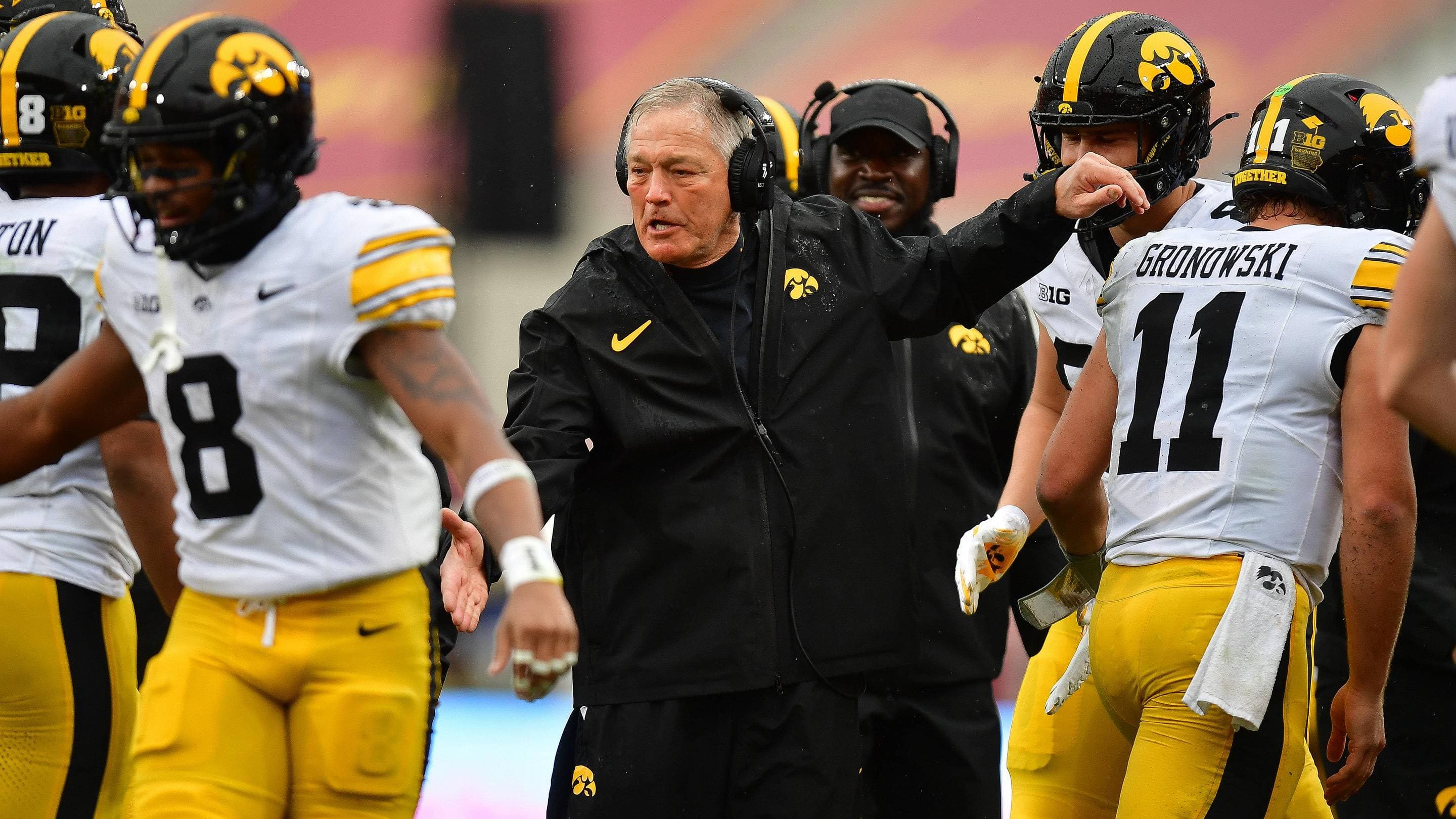
Photo via Si
Kirk Ferentz's enduring success in college football offers a compelling case study for Dallas business leaders navigating questions about tenure, performance standards, and competitive advantage. According to Sports Illustrated, the Iowa Hawkeyes head coach will enter the 2026 season at 71 years old while maintaining his reputation as one of the nation's most effective coaches. His sustained performance raises questions about ageism in leadership and the measurable outcomes that should define career longevity.
In Dallas's competitive business landscape—home to Fortune 500 companies and emerging tech firms—Ferentz's example challenges conventional wisdom about leadership transitions. Rather than assuming declining performance with age, organizations increasingly recognize that experienced leaders bring institutional knowledge, established networks, and proven decision-making frameworks. For Dallas executives, the lesson extends beyond sports: hiring and retention decisions should prioritize demonstrated results over demographic assumptions.
The consistency Ferentz has maintained at Iowa demonstrates the value of building deep organizational culture and long-term strategy. In Dallas's corporate sector, where turnover in executive roles can disrupt business continuity, his model suggests that stability combined with competitive excellence creates measurable value. Companies that invest in retaining experienced leadership while fostering innovation often outperform those cycling through frequent leadership changes.
As Dallas businesses assess their leadership pipelines and succession planning, Ferentz's career serves as a reminder: age and performance are separate variables. The question for Dallas leaders isn't whether someone is 50 or 70, but whether they're delivering results, adapting to changing conditions, and maintaining the competitive edge their organization requires.